

Vinegar Hill, the Charlottesville community where Carmelita Wood was born, isn’t here anymore. Once a thriving neighborhood of Black-owned homes and businesses, it was razed in the 1960s, part of an urban renewal program.
Carmelita moved with her family to a public housing complex along with many Vinegar Hill community members who had once owned or rented their own single-family homes. She grew up there before moving to her own apartment. But she never stopped dreaming of homeownership for herself and her two children.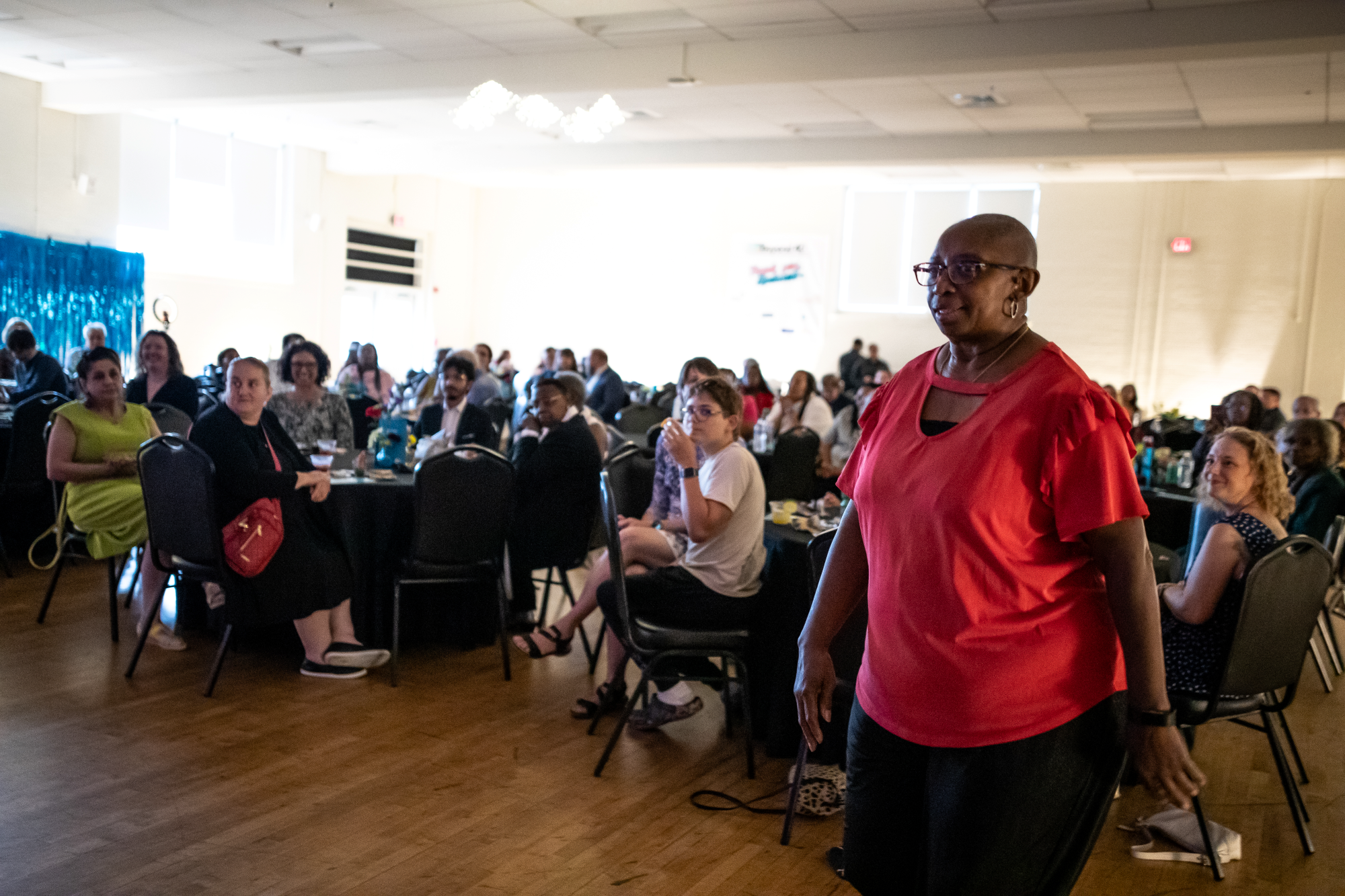
She found a steady job as health unit coordinator at University of Virginia Hospital and rented a home. Then, in 1997, her mother died. “Before she passed away, she asked me what the one thing was that I always wanted. I said it was to own my own home.”
Soon after, Carmelita met Rosa Hudson, a housing counselor with Piedmont Housing Alliance, a NeighborWorks® network organization. “She walked me through the steps and told me what I needed to do. She looked at my credit and my bills and said, ‘Well, you’ve got to pay this off; just pay a little bit at a time.’”
With Hudson’s help, Carmelita created a plan. When she was ready to go to the bank for a loan, Hudson, now retired, went with her.
Carmelita bought a brick home in the nearby Fifeville neighborhood. The mortgage was sometimes a struggle, “but we made it,” she said.
The 30 years Carmelita spent paying off her mortgage, she has also been paying it forward. She wanted to help her neighbors, she said, especially those who had been displaced or feared that they would be. She became president of the Fifeville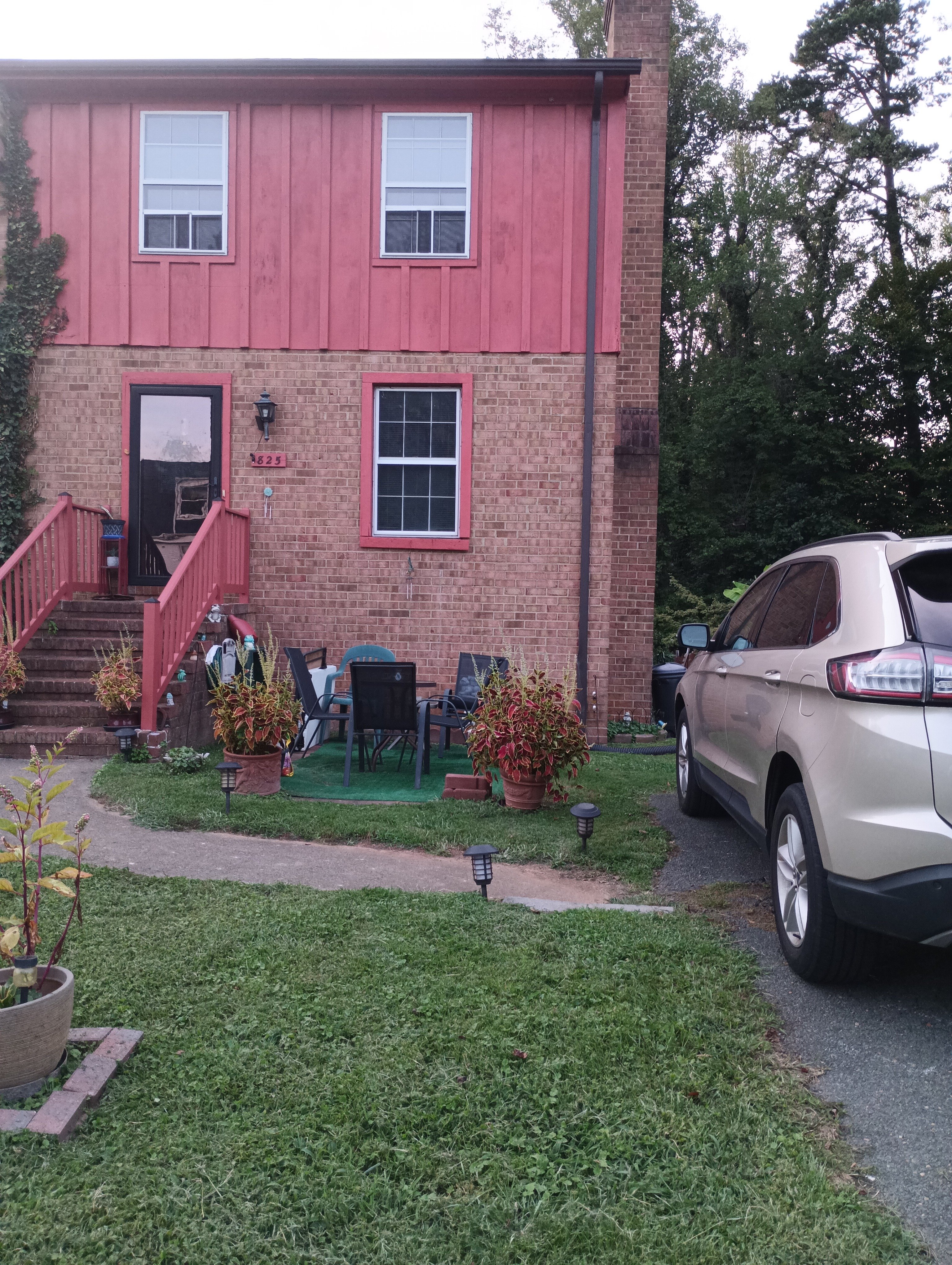 Neighborhood Association. When the City of Charlottesville was working on its land use plan, Carmelita spoke publicly about her neighborhood’s history. She talked about the role zoning could play in protecting her neighbors.
As a result, Fifeville and several other neighborhoods have been designated “core neighborhoods” with restricted zoning to curb displacement and other potential side effects of upzoning and higher taxes. She brought residents and other neighborhood associations to meetings to make sure they were helping map out Charlottesville’s future. She also took a role in promoting homeownership in her community, notably serving on the board of Piedmont Community Land Trust, which partners with Piedmont Housing Alliance. Her work and leadership there have created a model for other neighborhood leaders, said Luis Oyola, director of the land trust.
That work led Oyola and others to nominate Carmelita for NeighborWorks® America’s Dorothy Richardson Award for Resident Leadership. Carmelita will be one of four people to receive the national award this year.
A new model for community development
Dorothy Mae Richardson also came from a neighborhood that had been left behind. In Pittsburgh in the 1960s, her community saw disinvestment, and she and her neighbors were determined to fight it.
They brought together residents, bankers, and community and state leaders to work to revive the community, starting with conventional loans that would help residents rebuild and repair their homes instead of abandon them. Richardson’s work became the foundation for Neighborhood Housing Services of Pittsburgh, the model NeighborWorks America adopted and spread. She showed that residents themselves know their communities best.
For the nearly 50 years NeighborWorks has worked in affordable housing and community development, the national nonprofit and its network have continued to listen to resident voices, and to honor them.
Leading a community
When Sunshine Mathon, executive director of PHA, first heard Carmelita’s story, he recommended her to Oyola. She had a passion for homeownership, he said. And she wanted to share that passion with others. 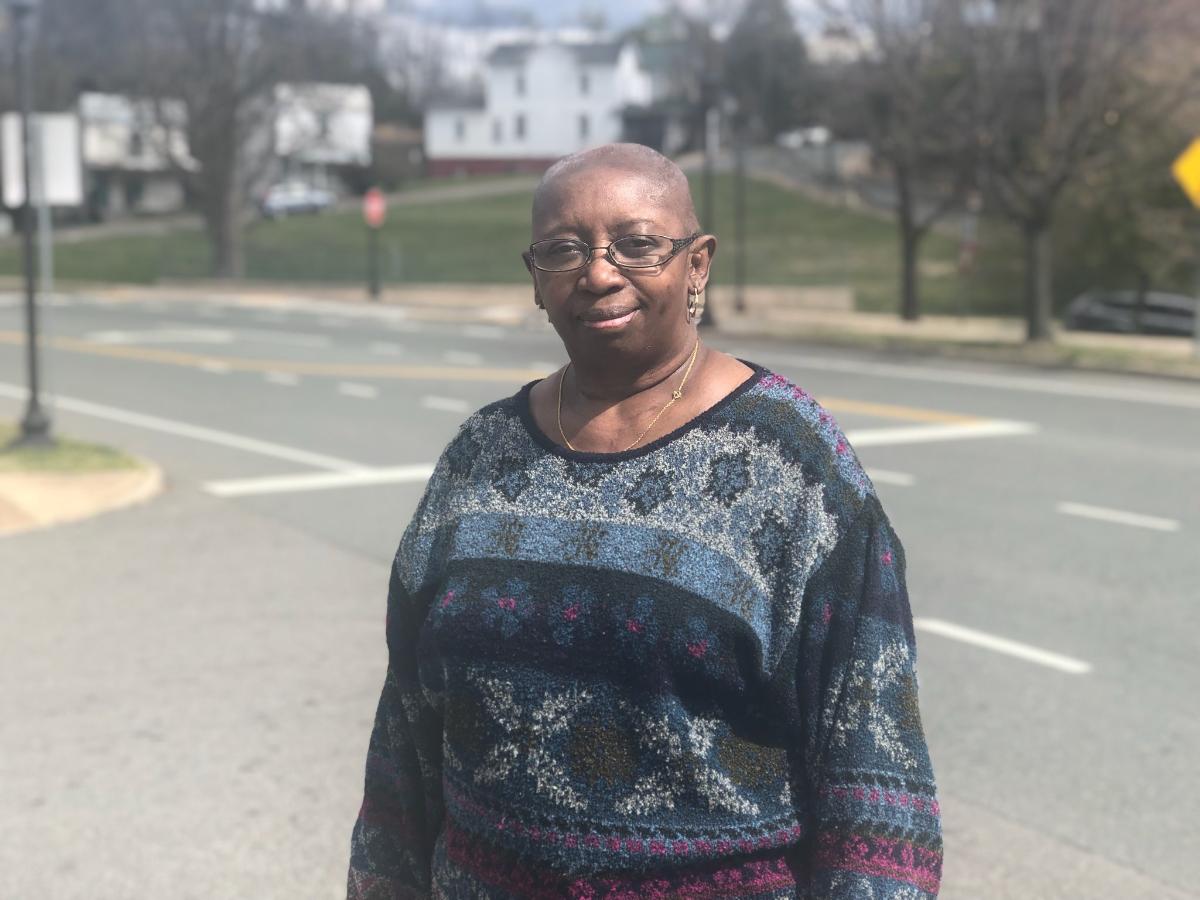
Her work “is driven by her desire to see others in her neighborhood achieve the same goals she herself did,” Mathon said.
Carmelita became a board member for the land trust and currently serves as vice president “She’s at an intersection of a lot of things going on in Charlottesville,” Oyola said. “She's very involved in the community and she’s gone beyond that to bring benefits to the community as a whole. Her roots and her history embody a lot of what's happening in housing and development.”
Carmelita does the behind-the-scenes work of talking to people one on one, speaking out and getting policies made, he said. “She understands that balance of being a leader.”
“I really like the idea of them helping people, first-time homebuyers get in their home and stay in their home,” Carmelita said. “Especially for people like me who didn’t have the education of what they needed to know to get a home.”
Now that Carmelita knows, she shares, encouraging residents to both buy through the land trust, and sell into that trust. “I just love that idea of everybody being able to own their home,” she said. “Generational wealth was one thing that really struck me. Having something that can be passed down to your grandchildren and your children – that legacy.” For the Vinegar Hill community, she said, “all of that wealth was gone. Their businesses were gone. Their homes were gone.”
Carmelita has a home she can pass down to her children, she said. And that’s what she intends to do.
A community store
As with many Dorothy Richardson Award recipients, it’s hard to talk about just one achievement because they do so many things.
“Carmelita has been an impactful and well-respected leader throughout Charlottesville for decades,” Mathon said. “She has been a staunch advocate for investments in her neighborhood that genuinely meet the aspirations and needs of her neighbors.”
Through her neighborhood association, Carmelita formed an anti-displacement group. Her goal is to help people come back to the neighborhood she said – at least those who want to come back. She has also been involved in trying to bring a grocery store and other amenities to Fifeville.
“There's no grocery store within maybe three or four miles of our community,” she said. If a family needs groceries and doesn’t have transportation, they have to take a bus, and that takes time. Her neighborhood association has been working with a developer of a multifamily property to hold space for a grocery store. “We want to bring back food security to the neighborhood.”
Though the store they had in mind wasn’t the right match, they haven’t given up. And they’re talking about a pop-up farmer’s market in the interim. Carmelita’s group has also walked the neighborhood with city officials, talking about public safety concerns. They were instrumental in the cleanup and improvements in Benjamin Tonsler Park.
“Although Carmelita has a sometimes quiet and kind voice, when she speaks, people listen,” Mathon said.
“Everybody has a voice,” said Jackie Martin, who works with UVA Health and has known Carmelita for more than a decade. But Carmelita is comfortable using hers and speaking up for those who are not as comfortable. “She just has this calm demeanor about her, but when it comes to the things that seem most important to her, like affordable housing, not displacing residents in her community, she is very persuasive.”
Carmelita has served on a number of boards – six at one point – working on everything from land trusts to disbursing scholarships, to serving on a committee to create a low-barrier shelter for unhoused residents, to a board for the Albemarle Home Improvement Program, which has conducted over 180 vital home repairs for more than 90 low-income homeowners. During hard times, Carmelita has always told herself: “I can do this.” That’s the message she shares with others about themselves, too: You can do it.
“I love helping people come back to the neighborhood,” Carmelita said. “I want them to come back to the neighborhood they once lived in, to be where they grew up.” When they do move back, she said, “I want to help them stay.”
As part of America250, the bipartisan initiative to engage every American in the 250th anniversary of the United States, NeighborWorks is sharing the stories of people who build their communities and make them stronger. No one exemplifies that more than resident leaders.