

Over the past 18 months, NeighborWorks® America has partnered with seven rural-serving organizations through the USDA-funded Rural Community Development Initiative (RCDI), building their capacity to tackle some of the most pressing housing and economic development challenges they identified in their communities.
More than a grant program, the RCDI program offered tailored technical assistance and access to subject matter experts, helping these organizations secure critical funding, unlock new resources and implement innovative solutions with lasting impact. NeighborWorks America coordinated the program from start to finish: recruiting eligible organizations, assessing their needs, matching them with subject matter experts, managing the one-to-one dollar match and financial and narrative reporting to USDA, and providing individualized support to ensure each project advanced toward its locally determined goals.
NeighborWorks America released an impact report on the initiative this fall.
A Catalyst for Rural Innovation
Rural communities are rich in local knowledge, strong relationships and a deep sense of place. At the same time, they face unique challenges, including housing affordability, limited access to capital, aging infrastructure and climate-related risks.
The organizations participating in the RCDI program were already making meaningful change in their communities. But this initiative helped them accelerate that work, equipping them with new tools, expert guidance and peer support. The program enabled them to launched new programs, form strategic partnerships and secure millions of dollars in funding to strengthen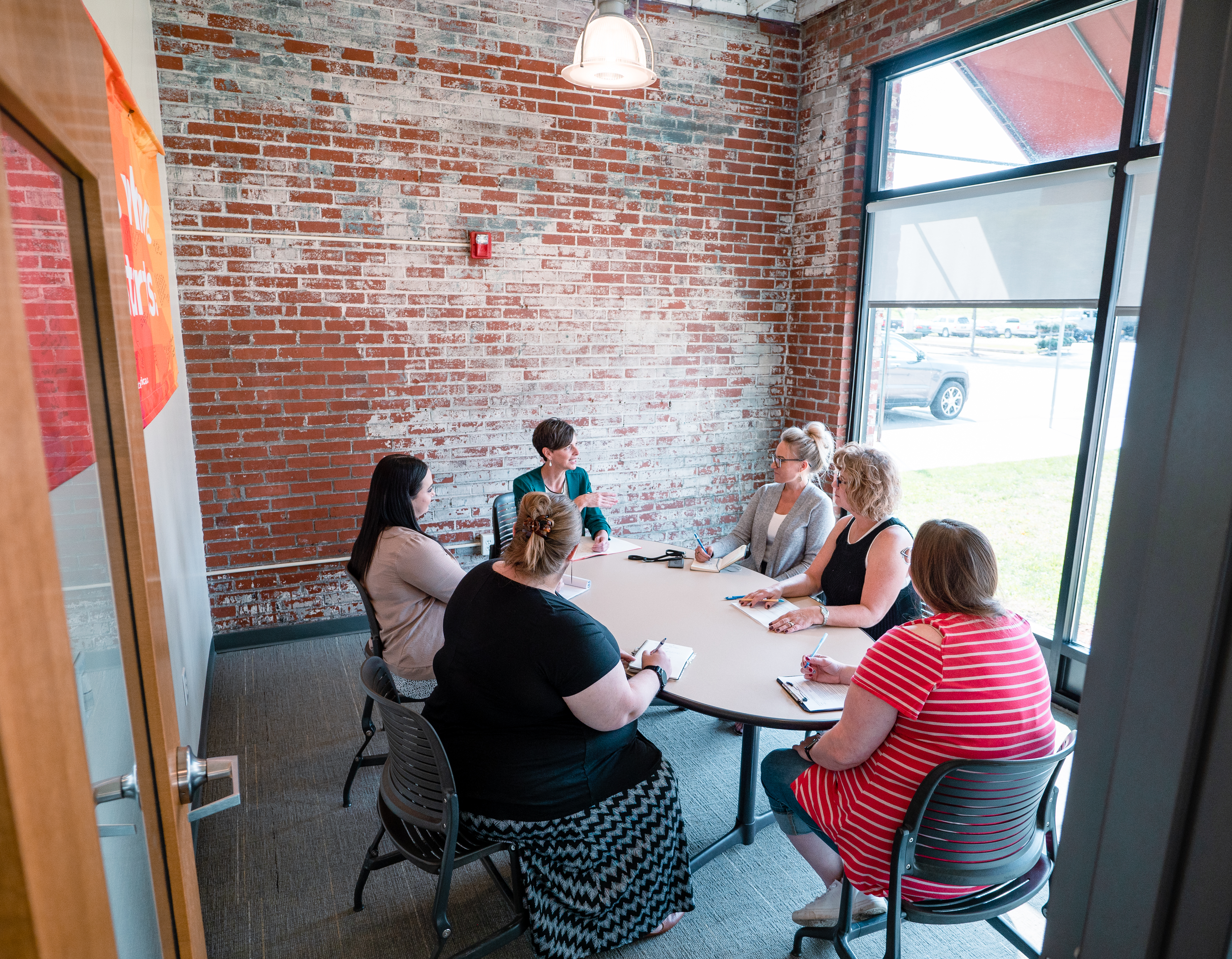 the rural communities they serve.
The results demonstrate what’s possible when rural organizations get flexible support tailored to their goals:
- GROW South Dakota secured a $4.8 million HUD Green Resilient Retrofit Program (GRRP) grant to improve energy efficiency in rural housing.
- AHEAD developed a shared equity housing model – a housing strategy championed by NeighborWorks America – to keep homeownership affordable for future generations in rural New Hampshire.
- Southwest Minnesota Housing Partnership launched an employer-driven workforce housing strategy, engaging businesses in solving local housing shortages.
- LIFT Community Action Agency supported their partner, Southeast Oklahoma Community Development Corporation (SOCDC), in achieving certification for a Community Development Financial Institution, opening new lending pathways for rural homebuyers and small businesses.
- Arbor Housing & Development implemented a business continuity and disaster plan, strengthening organizational resilience in the face of future disruptions.
- Total Concept developed a sustainable business model that integrates solar energy and energy efficiency into affordable housing solutions.
Neighborhood Development Services strengthened internal systems and partnerships to improve fair housing access and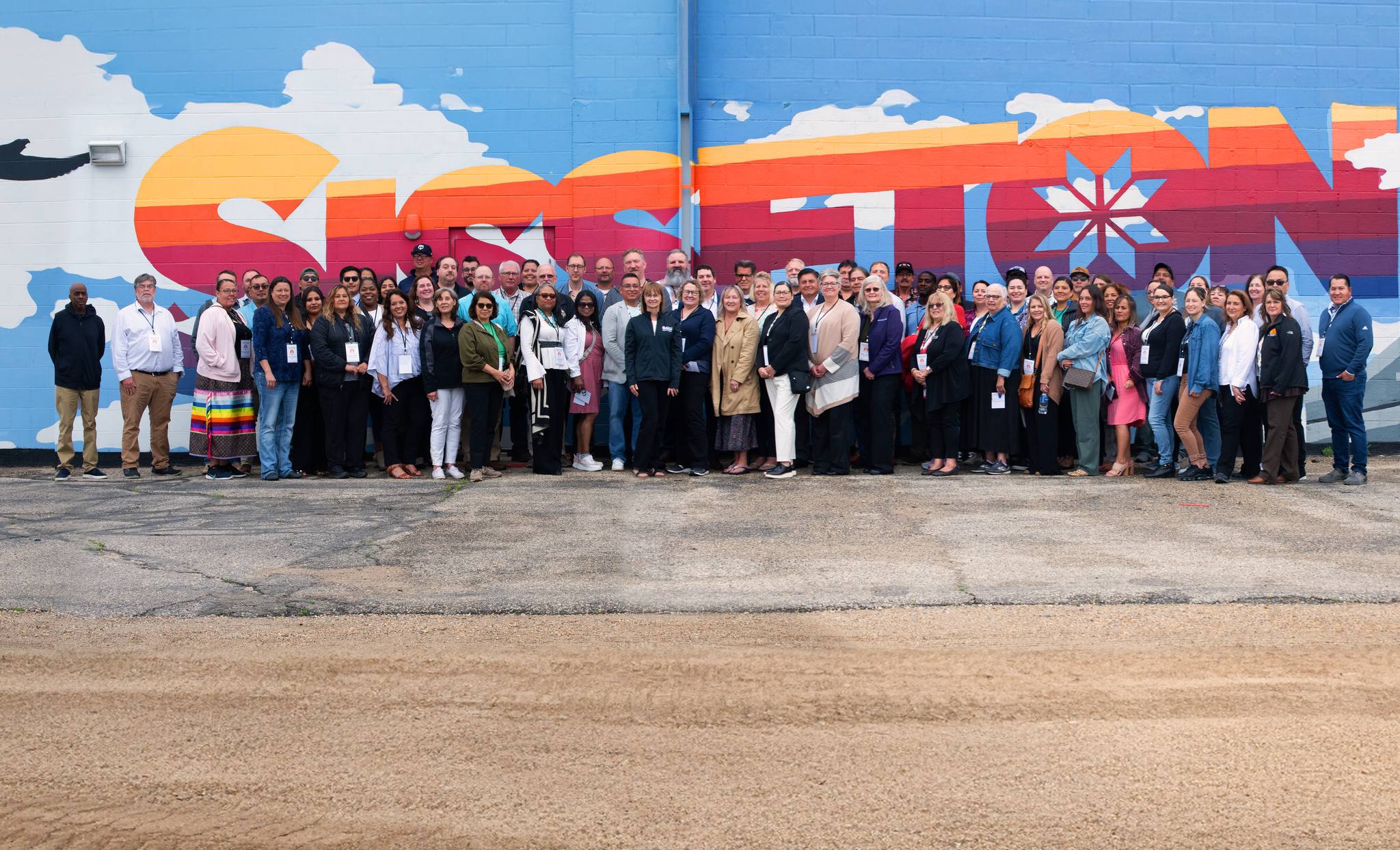 community development in their rural community. Each of these projects strengthened the capacity of individual organizations while also creating replicable models that other rural communities can learn from, adapt and build upon.
Lessons Learned: What RCDI Revealed about Rural Community Development
Several key lessons emerged from the RCDI experience:
- Strategic technical assistance accelerates impact. With expert guidance and a structured support model, organizations achieved progress in areas that might otherwise have taken years, whether refining internal policies, building new partnerships or accessing transformational funding.
- Flexibility is essential. Rural communities operate in dynamic environments. The adaptive design of RCDI allowed organizations to pivot and seize emerging opportunities, tailoring their work in real time.
- Collaboration drives sustainability. Organizations that cultivated partnerships – whether with employers, local governments, state agencies or financial institutions – were able to scale their efforts and sustain them beyond the life of the grant.
Filling the Gaps: How RCDI Addressed Rural Community Development Needs
NeighborWorks and the RCDI program helped address several critical longstanding gaps in the rural community development landscape:
- Access to capital: By securing major funding and CDFI certification, LIFT CAA expanded lending and investment in rural areas.
- Disaster resilience: Business continuity planning ensured that Arbor Housing & Development’s headquarters and rural properties are better prepared for climate-related challenges.
- Sustainability: The integration of climate-sustainable lending and energy strategies positioned GROW South Dakota and Total Concept for long-term resilience.
- Workforce housing solutions: SWMHP’s employer-driven housing strategies bridge the gap between economic development and housing affordability.
The program proved that with the right support, rural-serving organizations can take bold steps to address housing affordability, economic opportunity and climate resilience. But sustaining this momentum requires ongoing investment.
By scaling these models, deepening support and building on these successes, the rural community development field can build a stronger future for rural America – together.