


Housing is having its moment right now, Marietta Rodriguez, president & CEO of NeighborWorks® America, told the audience at the opening of the Housing Assistance Council's National Rural Housing Conference this week. “It’s our responsibility as intermediaries to tell the story of rural.”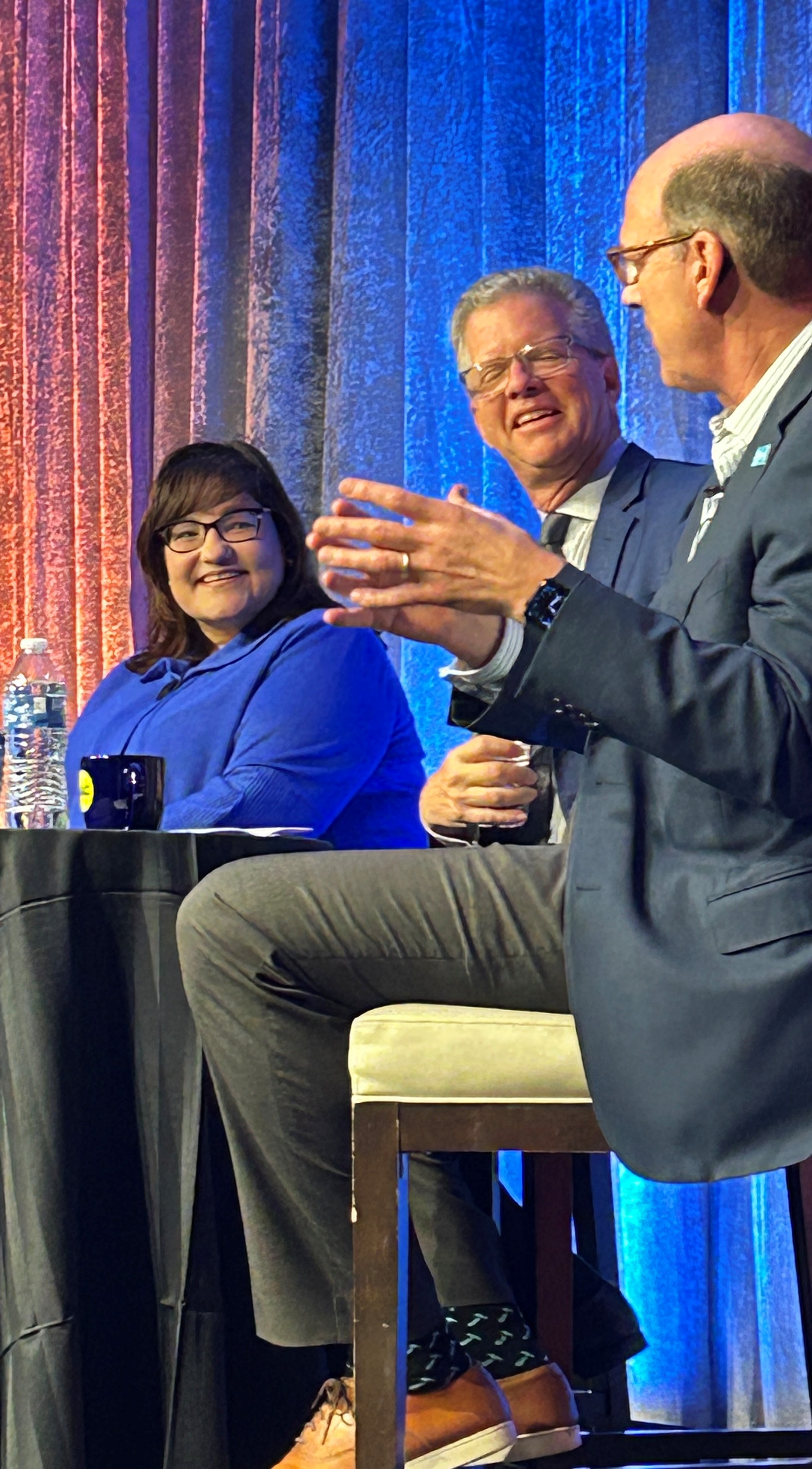
NeighborWorks knows rural well: Out of a network of nearly 250 organizations across the country, 80% touch rural communities in some way. As a network, NeighborWorks serves a third of rural America, equipping the organizations with funding, technical assistance, peer connections, capacity building and training with the goal of letting those organizations do what they do best: lead local solutions that reflect the priorities of community residents.
Rodriguez, on a panel with Shaun Donovan (Enterprise Community Partners) and Jonathan Reckford (Habitat for Humanity) and moderated by David Lipsetz (Housing Assistance Council) made the case for the importance of housing intermediaries like NeighborWorks.
Lipsetz described them this way: Intermediaries help their networks do together what they cannot do alone.
Rodriguez knows that to be true of her network, which includes organizations like Coast Enterprises Inc. in Maine and Grow SD in South Dakota – organizations that become so embedded in the community “they are regarded almost as family members.”
The housing conference this year took place in Washington, D.C., amid what is clearly understood to be a housing crisis. Donovan, former HUD secretary and director of the Office of Management and Budget, said: “We are witnessing our housing crisis getting worse in this country, and we all have to do more.” The organizations on stage this week are part of that solution.
“The bad news is: We have a housing crisis,” Reckford told the group. “The good news is: It’s on agendas everywhere.”
The leaders explained how their organizations had worked to help solve the housing crisis. “We invest not just in strategies that respond to community needs but with the network, we invest in the infrastructure of those organizations, so they have the ability to innovate,” Rodriguez explained. “We have the responsibility as intermediaries to support that infrastructure in good times and in bad times.”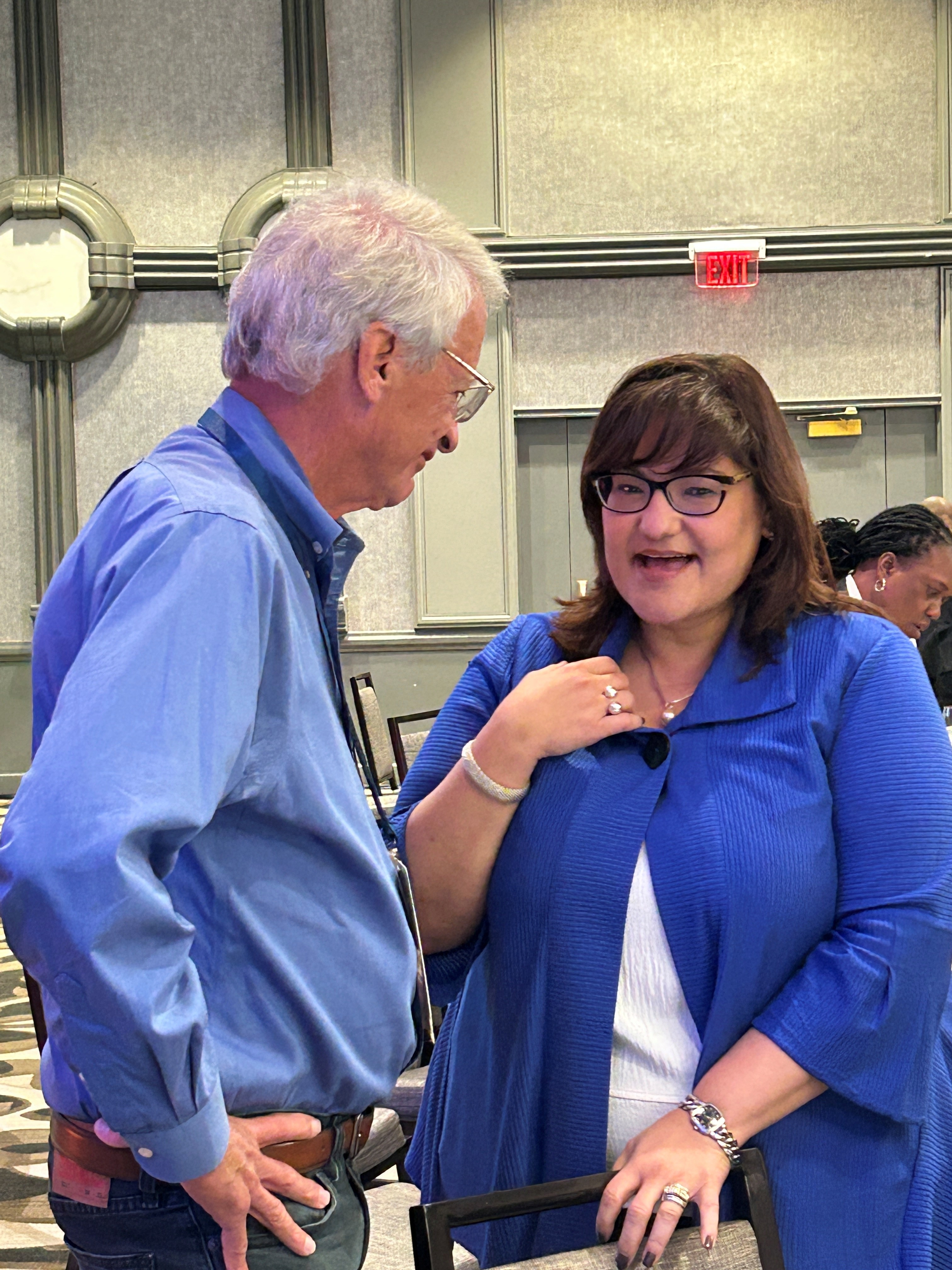
With rural organizations, that means working with organizations whether there is a staff of one or a staff of 100.
The leaders pointed to the strengths of one another’s organizations: in preservation, in development, in innovation. And they talked about how together they could meet the crisis.
“More than ever, we need to be in coalitions,” Reckford said. “There's power in the collective.”
Added Donovan: “It’s going to take a village to build the village.”
Rodriguez said we are not in a race to create the largest number of housing units, but to create homes that are “really responsive to community needs. I think we have an opportunity to do that when everyone’s mind and eyes and ears are on housing.”
The goal is to use this moment as a game changer for rural communities
The conference attracted nearly 600 practitioners from rural-serving nonprofits across the country. Other NeighborWorks staff also spoke during the conference including Mel Willie, senior director of Native and Strategic Partnerships and Cormac Molloy, director of Sustainability and Resilience, along with representatives from numerous network organizations.
NeighborWorks’ Rural Advisory Committee met during the conference to discuss how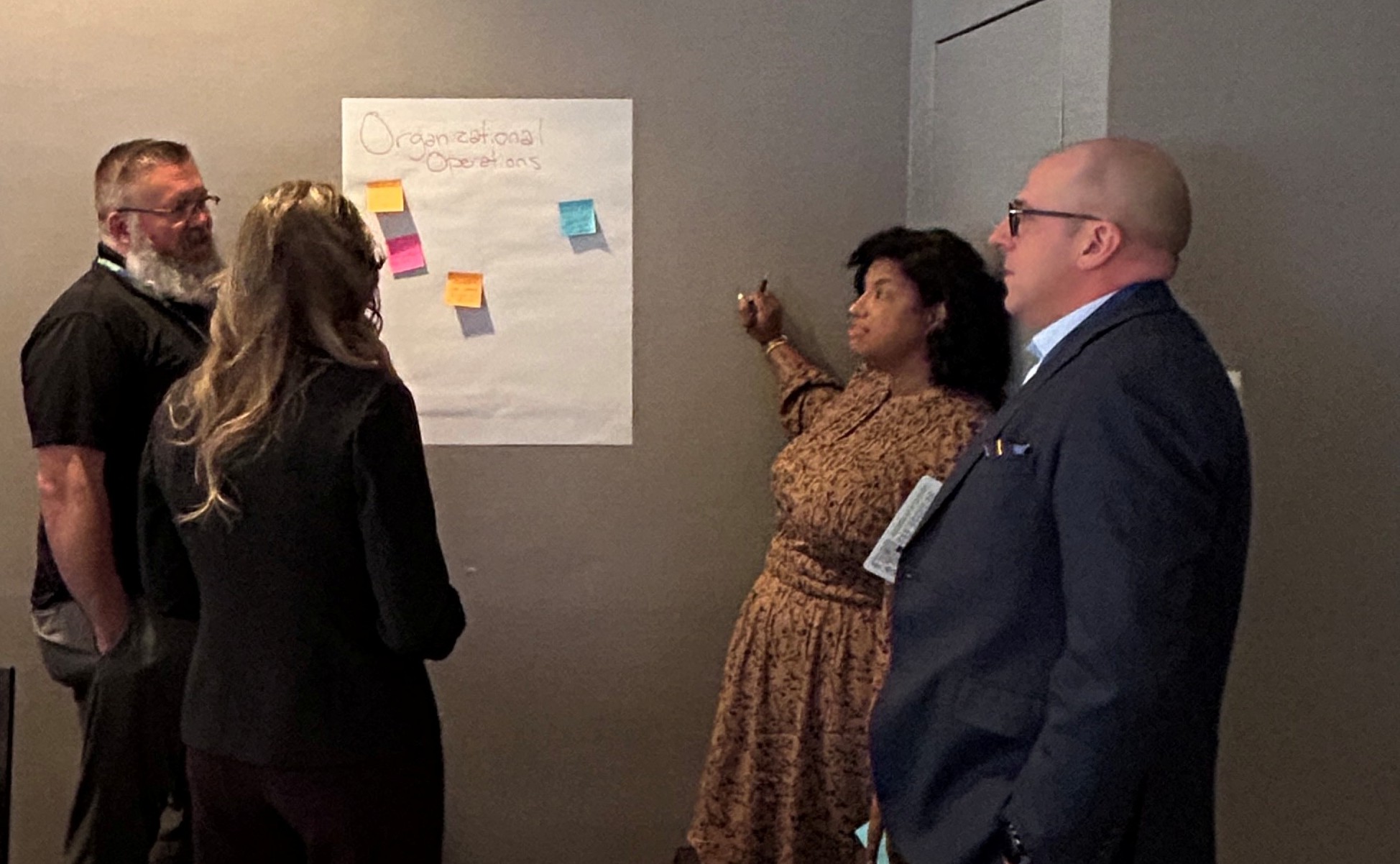 NeighborWorks could better assist the network that serves rural areas. Representatives discussed everything from connections with funders to how to elevate housing to leaders who seemed focused solely on economic development.
“Rural is extremely important,” said Craig Petry, executive director of CommunityWorks in West Virginia. “It requires more conversation.”
Emilee Powell, co-chairman of the committee and executive director at Housing Resources of Western Colorado, summed it up with a saying that is popular among community developers: “Housing,” she said, “is where jobs go to sleep at night.”