


NeighborWorks® America’s Training Division knows collaboration is key for participants when they are learning new skills. So in Chicago last month, division leaders piloted a new course with a collaboration focus during the NeighborWorks Training Institute.
“Designing Stakeholder Engagement Plans,” a class within the Community Engagement track, also incorporated NeighborWorks’ new Learning Management System. Course work and templates were available through the system, and participants were able to have access to those and to each other before the institute and for two months following the institute, allowing the collaboration to continue.
“That way we can continue to support them as they implement what they developed during the course,” said Misia Krasowski, Senior Coordinator of Online and Instructional Content Design. “But mostly, we hope that they’ll continue to work together for peer-to-peer discussion.”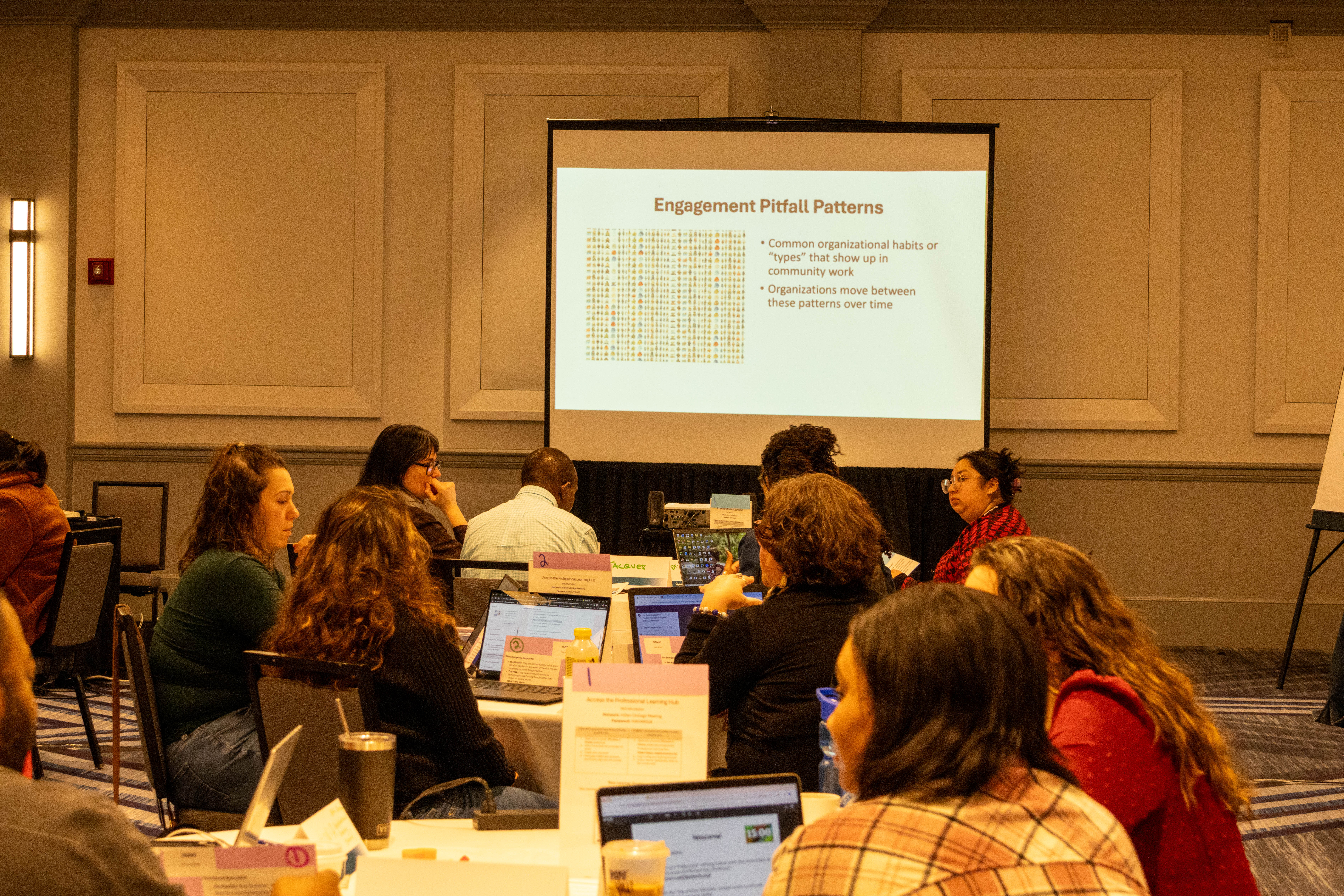
The goal of the class was to have students leave with the working, digital toolkit that they’d developed throughout the day, and a 90-day plan for what would come next, Krasowski said. Participants at NeighborWorks trainings have asked for more time for networking, so the collaboration period added a second purpose.
"Our team was looking to diversify the in-person learning experiences we offer at NeighborWorks Training Institutes," Krasowski explained. Student feedback shows the team is on the right track. The 30 participants in the pilot course rated it highly on everything from the instructor to material effectiveness.
“This was a wonderful learning experience. I appreciated the hands-on learning with goals set before the class ended,” said one student.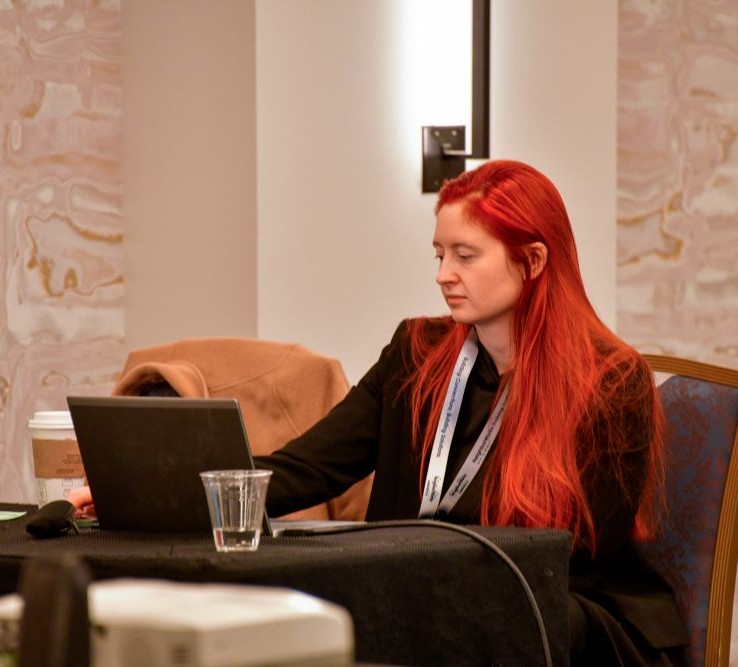
“Good opportunity to think through some issues and forward moving steps,” said another.
The course took place over a full day, with participants spending more than half of that time doing their own work and collaborating. Instructors stood by for guidance, to answer questions and to facilitate discussions.
Stephen Readus, lead instructor and Organizational Development Consultant, Habitat for Humanity International, said the model was effective. “At lunch, they didn’t even leave,” he said. “They wanted to keep working on their engagement plans.” Participants ranged from organization leaders to community engagement staff to individuals working on cyber security at financial organizations. 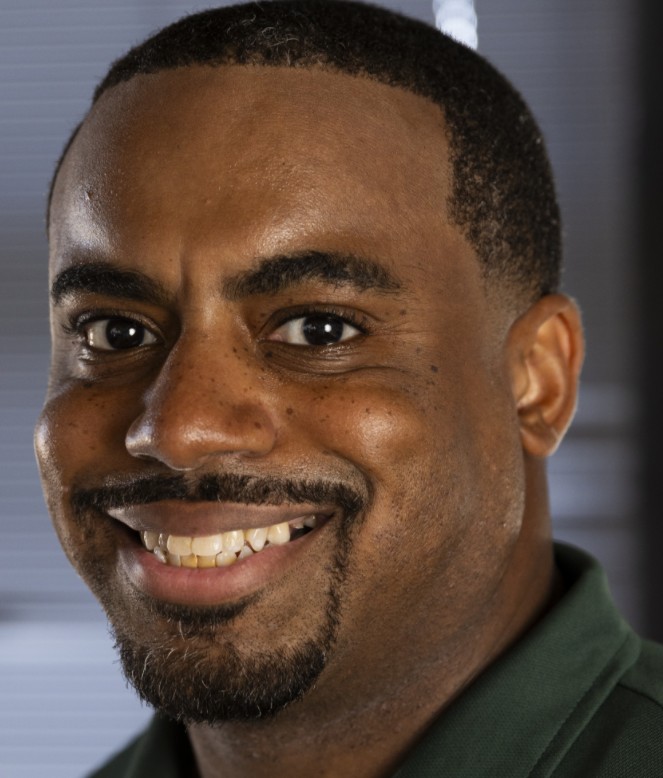
“It worked for people doing external and internal work,” Readus said.
He asked participants to think about engagement as a system or process. “Good inputs give you good outputs,” he said. He also asked the class to examine the invisible work that happens at organizations; acknowledging that work helps build trust and prevent burnout. “If you don’t elevate and highlight invisible labor, it’s hard to understand the efficacy of activities and evaluate your outreach,” he explained. Bringing people in is a form of trust, and it’s trust that will be leveraged down the road. An outcome “is not just fresh window treatments and a new roof. This is a people endeavor and building relationships with people and building the trust that moves that forward – you have to be able to track that, too.”
He pointed out that at many nonprofits, there are 10 hats to wear for every four people. “Invisible labor takes a lot of time, but it doesn’t come up in a performance review or a job description,” he said. It’s time to change that.
NeighborWorks will offer the course again during the Miami NTI in August, and will add a new course in a different track using the same format.