

Lee Anne Adams has more than 20 years of experience working with affordable housing and community development organizations, both in the U.S. and Latin America. She's spent more than half of her career at NeighborWorks® America and in July, became the national nonprofit's executive vice president and chief operating officer. We sat down with her to talk about the insights she's gained from her new role.
You’ve been Chief Operating Officer at NeighborWorks® America for about nine months. What have you learned about NeighborWorks and yourself?
I’ve been reflecting on how resilient NeighborWorks is – and it’s not by accident or good luck. We’re intentional about stewarding key relationships. We’re willing to adapt when needed. That’s become clear to me from this vantage point. 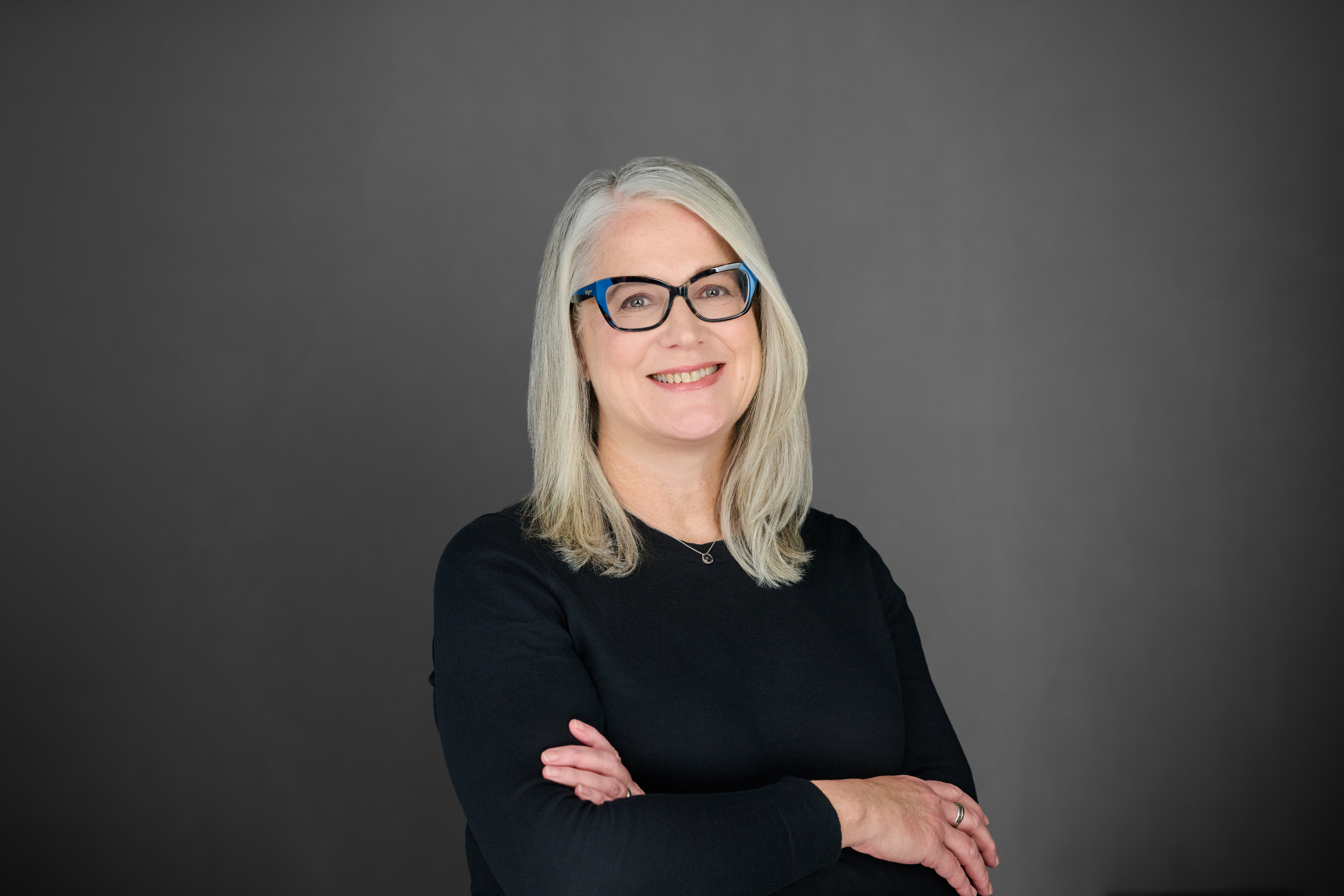
We've had some staff and capacity challenges, but we haven't slowed down. (Though I’m a huge advocate of work-life balance; we all have to unplug from time to time.)
Talk a little about your journey with NeighborWorks and how you approach operations and strategy.
I’ve been here for 18 years. I spent six years in the training division and saw that operation upfront at a time when we did four NeighborWorks Training Institutes a year, along with a lot of place-based training. I wrote grants when we were awarded funding to do a Native American CDFI capacity-building program. Then I went to National Initiatives, which gave me insight into internal operations and navigating decision-making. I was also with National Initiatives on the SVP side, which was more network focused, and learning how we work and support other divisions. Together, it’s given me an appreciation on how you manage internally and coach staff to navigate decision-making.
We need to see opportunities, see how we can collaborate across divisions to strengthen relationships and to improve the service delivery to the network –and make sure we’re making the best possible use of our resources.
A few years ago, I was working with a organizational development consultant who advised me to “avoid unrewarded complexity.” It’s the perfect litmus test, and it’s actually on my computer monitor right now. Sometimes simplicity is a beautiful thing.
Explain how training works as a central part of the NeighborWorks mission.
It’s part of our statute when we were created by Congress, so it’s pretty essential. But we’ve also become known for our ability to deliver these mobile universities or the training institutes. And we've expanded beyond in-person training. There isn't really another entity that is so broadly and comprehensively focused on building the capacity and the skills of practitioners across 11 areas of focus.
People come to us for skill development and a lot of them are already on the job. We’re strengthening the impact of organizations to deliver; and improving their ability to meet the needs of their clients and communities. The people who take our training are getting course experience, learning skills, and applying those skills so that it helps create impact.
What kind of changes have you seen in the industry over that time? And since we just observed Women’s History Month have you seen more female leaders in the industry?
When I came to NeighborWorks, one of the things that I loved about it was that we had strong female leaders. We still do, at multiple levels, not just the C-Suite.
We've grown up with the community development field and affordable housing field these last 50 years. There are a lot of founders in this field – founders in our organizations who are still leading those organizations. Now a transition is starting to take place, and we're seeing younger leaders step in with different skills and different perspectives.
That’s a place for NeighborWorks in terms of the training and leadership development programs that we offer: We’re really investing in that next generation of leaders of community development.
Also, the world around us is modernizing in terms of technology and adoption of different tools. The pace of change is exponentially faster. So now we have to focus on how to equip our teams and organizations to keep up and innovate in their own ways.
How can NeighborWorks help the network succeed?
The network is going to say “resources,” and that’s true. But I think what we offer is flexible grant funding. It’s unique and really important to them. Even if they're a large organization and we're a small part of their budget, that flexibility is really valuable. We also offer responsive interventions and resources in terms of peer learning and identifying what’s working in communities. Technical assistance is key, and it’s something many of them are looking for. For instance, a lot of multifamily portfolios, even for strong, exemplary organizations, are challenging right now. We have our portfolio strengthening program, but it’s not for times of crisis. So we are standing up technical assistance to help address challenges when someone is in a crisis and can use extra support to think about what they need to do to pivot.
What are the most important skills, housing and community development practitioners need today?
Adaptive skills, like adaptive leadership. Obviously there are technical skills you need to do your job. But the world's just changing so much, and it just feels like we’re constantly having to adapt and pivot. We need some of those soft skills and leadership skills that help navigate change and help organizations and staff be resilient. Communication is not a new skill, but I think it's always an important skill, especially as we bridge generations in the workplace. And then technology – we have to move a little faster and keep up and make sure we're leveraging technology to meet our needs and create efficiencies.
In the year ahead, what are some of the challenges and what are our strengths?
We have to cut out the noise and stay focused on the mission and clear on our purpose and on investing in the organizations in the network in the most strategic way so that they can continue to do the work they're doing.
There’s a lot happening in the world around us. I think it’s important to stay laser focused on who we are, what we do and how we do it – and where possible, to leverage our resources even more. That’s the challenge, but it’s also the opportunity.
We have to tell our story and position ourselves to attract more resources for the network. We have a story of impact. We are creating homeowners and we are creating homeowners right now in this market who are low and moderate income. It’s not easy. But it’s still possible.