

Sarah Kackar, senior director of NeighborWorks® America’s Rural Initiative, moderated a panel this week during the Investing in Rural America Conference, held in Asheville, North Carolina. These were her opening remarks:
Good afternoon, everyone. My name is Sarah Kackar, and I lead the national rural work at NeighborWorks America, a national intermediary with a network of 250 nonprofit organizations focused in affordable housing development, community development, economic development, and workforce development. I want to thank our partners at the Federal Reserve Bank of Richmond Center for Rural Economies, the Federal Reserve System, and Rural LISC for inviting me to facilitate an important conversation on rural opportunity today. 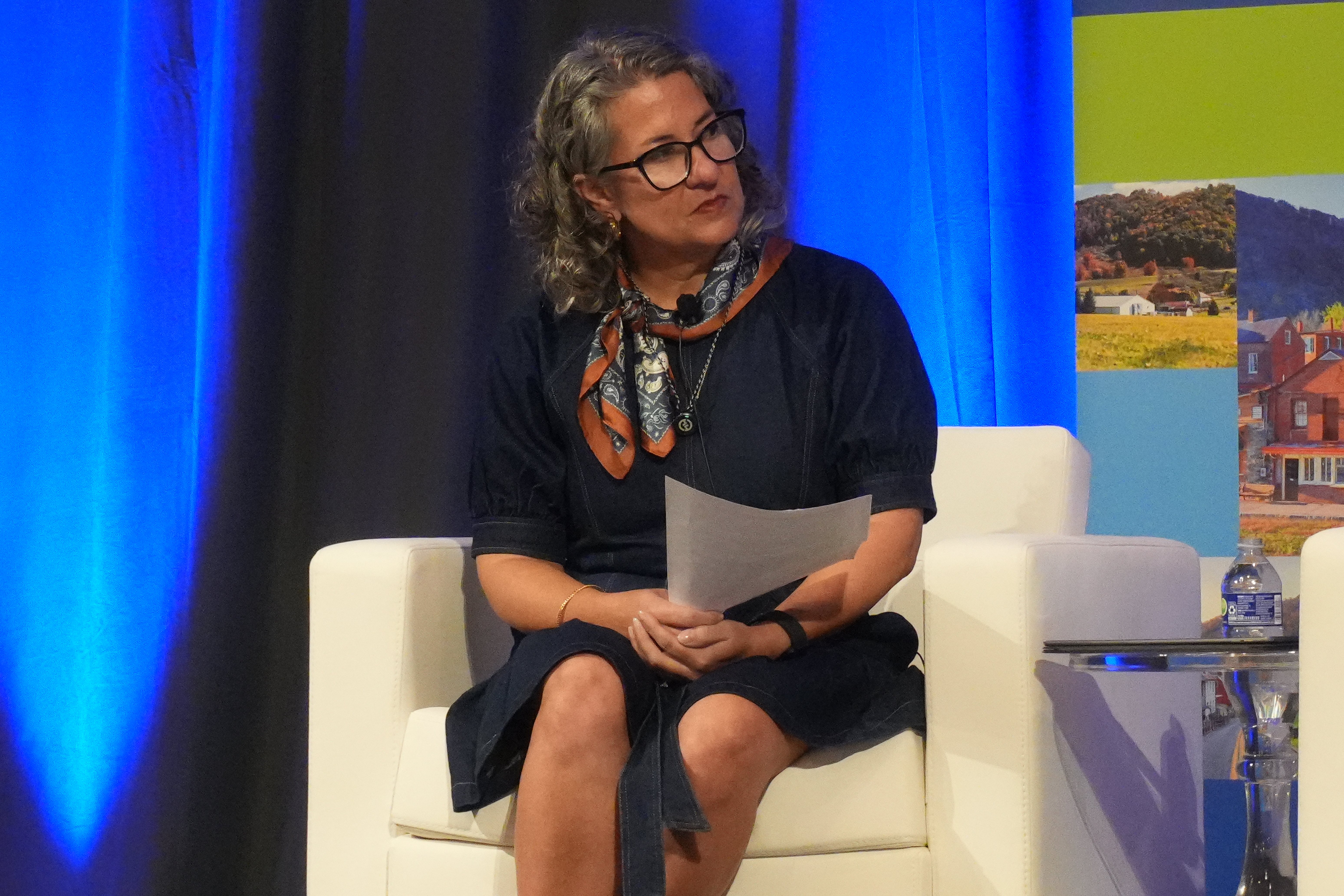
It's about ensuring local leaders, organizations, and residents have the resources, skills, relationships, and systems they need to pursue their goals and respond to any challenges that may arise. The goal isn't dependence on outside support; it's stronger local capacity to lead, adapt, and thrive.
In rural America, as all of you know, that's especially important because too often we define communities by what is lacking.
But rural communities are rich in assets, strong relationships, local knowledge, resilient leaders, a deep commitment to place, and a culture of problem solving. The challenge is often not a lack of capacity, it's a lack of access to the resources, capital, technical assistance, and networks that can help communities build on strengths they already have.
That's why many of us prefer the term “capacity enhancement.” It recognizes that communities are not starting from scratch. Our role is simply to help strengthen, connect, and unlock existing assets.
And as you also all well know, that work begins with trust. In rural communities, relationships matter a lot. Before funding, technical assistance, or any strategic planning can be effective, there has to be trust, listening, and a genuine understanding of local priorities.
The most successful efforts are those done with communities, not for them. National, regional, and tribal organizations like those represented on our panel today often serve as partners and connectors. We help communities access resources, expertise, and networks, but the vision and leadership must remain local.
Our job is to support communities as they pursue the goals they have set for themselves. It's also important to remember and recognize that capacity comes in many different forms.
It's not just staff size or budget. Capacity can include leadership, relationships, organizational expertise, infrastructure, broadband, natural resources, the list can keep going on and on. Looking through a broader asset lens gives us a more complete picture of community strengths and opportunities.
And another dimension that's very important to capacity is connection. Many rural communities face similar challenges across this country, but they often work in isolation, due sometimes to the geographic dispersion of where you all live and work. One of the most valuable things we can do is connect leaders to one another, creating opportunities to share ideas, lessons learned, and promising practices.
When rural communities learn from each other, everyone moves further and faster together. So as we move into today's panel discussion next, I would encourage us to think about capacity not as a checklist, but as the combination of leadership, relationship, and resources with local determination that allows communities to build on their strengths and shape their own future.