


Relationship building through a NeighborWorks® America network organization’s mentorship program is improving health – both physical and mental – for the students it serves, program directors report. It is changing the meals some families cook for dinner. It is changing the way kids are talking about drugs and alcohol. And it is changing outcomes.
One-on-one support makes a difference
At age 15, Gabriel* broke into a smoke shop to steal e-cigarettes and vapes. He was arrested and faced charges. But when he found the youth mentorship program run by Interfaith Community Housing of Delaware (ICHDE), he also found a second chance.
Corp. Daniel Wilson, who runs the boys’ division of the mentorship program for the NeighborWorks® America nonprofit, quickly saw Gabriel’s potential. “I don’t care what you’ve done. That doesn’t matter to me,” he told the student. “What I want is for you to give me respect and to give 110%.” After a few weeks together, Wilson, who works for the Wilmington Police Department, urged the prosecutor to delay Gabriel’s court date, providing an opportunity for Gabriel to demonstrate growth through the mentorship program.
Gabriel is exactly the kind of teenager ICHDE’s youth mentorship program aims to help: teenagers who, with guidance from positive role models, can learn from their mistakes and start making healthier choices. The program, which serves Wilmington-area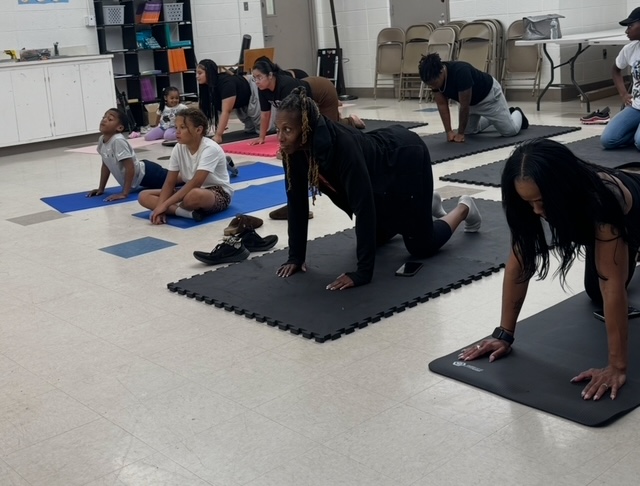 youth ages 8-17, supports holistic development by offering comprehensive academic support, as well as activities focused on health and wellness, substance-use prevention, and character and leadership development. On any given Monday or Wednesday evening at 6 p.m., you could find youth journaling, doing yoga, gardening or working towards their CPR certification.
But how exactly do yoga, homework help, and cooking demonstrations get a young person back on track? It's not just about the activities, it's about the relationships. Youth mentorship can have a substantial impact on teens' health and life outcomes. Fifty percent of youth say their mentor supports their mental health and youth who are mentored were 46% less likely to start using drugs and 27% less likely to use alcohol, a study found.
Gabriel is a model example of the impact mentoring can have. Officer Wilson highlighted, “I think he needed a second chance, but more importantly he needed a positive male figure in his life.” Gabriel began to emerge as a true leader, showing genuine interest and earning the respect of other youth in the program. During a service outing to feed people experiencing homelessness, Gabriel stepped up, taking responsibility and guiding his peers. Officer Wilson reflected on Gabriel’s growth: “The impact that he’s made, and the strides I’ve seen since he’s been here, has been a mountain-moving testimony. He’s not the kid that came in initially with all of those charges.”
Partnering with schools and families strengthens communities
In addition to one-on-one relationship building, the program maximizes its impact by partnering closely with families. Participation in the program requires parents and guardians to stay actively engaged with the program lead and what truly sets this program apart is the way it draws the whole family in. LaTaysha Harmon, executive Director of the mentoring program, described the shift she has witnessed. “To see parents go from just dropping off their kids in the evenings to showing up to do cooking demonstrations with their children… they started bringing other family members, it became competitive, and now they’re asking ‘when does it start back up again?’” Engaging families in meaningful ways like this helps ensure that healthier practices become a shared commitment. It also gives teens the support they need to put what they’ve learned — whether about nutrition or healthy relationships — into action at home.
Once families get conne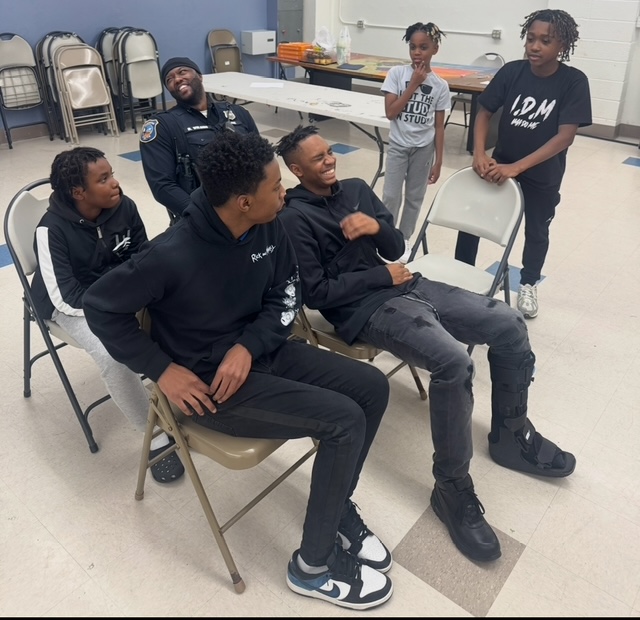 cted to ICHDE, it can spark connections to other resources. One parent, after enrolling her child, was introduced to the organization’s homeownership services and is now actively working toward buying a home. With guidance from staff, she created a budget, reduced her credit card debt, and has even taken on a second job to move closer to her goal. Stories like hers show how youth programs can become a gateway to greater stability and opportunity for families.
Transforming Communities
When Gabriel’s court date arrived, Corp. Wilson spoke to the character of the young man in front of him – and the changes he had made in his life. The charges were dropped. While this is only one success story, the program serves as a model for reducing crime, supporting justice-involved youth, and setting students up for successful futures.
Gabriel’s mother shared overwhelming gratitude for the impact the program had on both of her sons. In a letter to Wilson and Harmon, she wrote, “Through your mentorship, they learned more than just skills; they’ve gained perspective, purpose and people who believe in them. That’s a rare and powerful gift and I thank you for creating a space where young people can feel seen, heard and supported.”
ICHDE sees the potential for this program to transform communities. While it is currently limited to Wilmington, Resource Development & Marketing Manager Catherine Davis is thinking bigger: “Our plan is to provide youth mentorship and other resident services to each one of our rental properties.”
Creating opportunities for youth in affordable housing to connect with positive role models and plan for their futures helps to push back against cycles of generational poverty. When organizations invest in housing, mentorship and family engagement, the impact reaches beyond the present, giving the next generation a stronger start.
*Name has been changed for student privacy