

The weather report was coming in over the emergency alert system: Heavy storms. The major road, connecting Sedgwick County to the rest of New York, had flooded. What should happen next?
The question came during a trial run of Arbor Housing and Development’s new disaster and continuity plan. Staff at the Corning, New York, network organization knew next steps included initiating communication through Arbor’s new alternate communications channels, which included a text messaging system and an intercom installed to reach all parts of the team’s offices.
The plan came together over nine months of working with experts at Pacific Community Solutions, an opportunity made possible through NeighborWorks® America and a grant awarded through the U.S. Department of Agriculture’s Rural Community Development Initiative. There was a reason that disaster preparedness and business continuity were at the top of the NeighborWorks network organization’s wants and needs.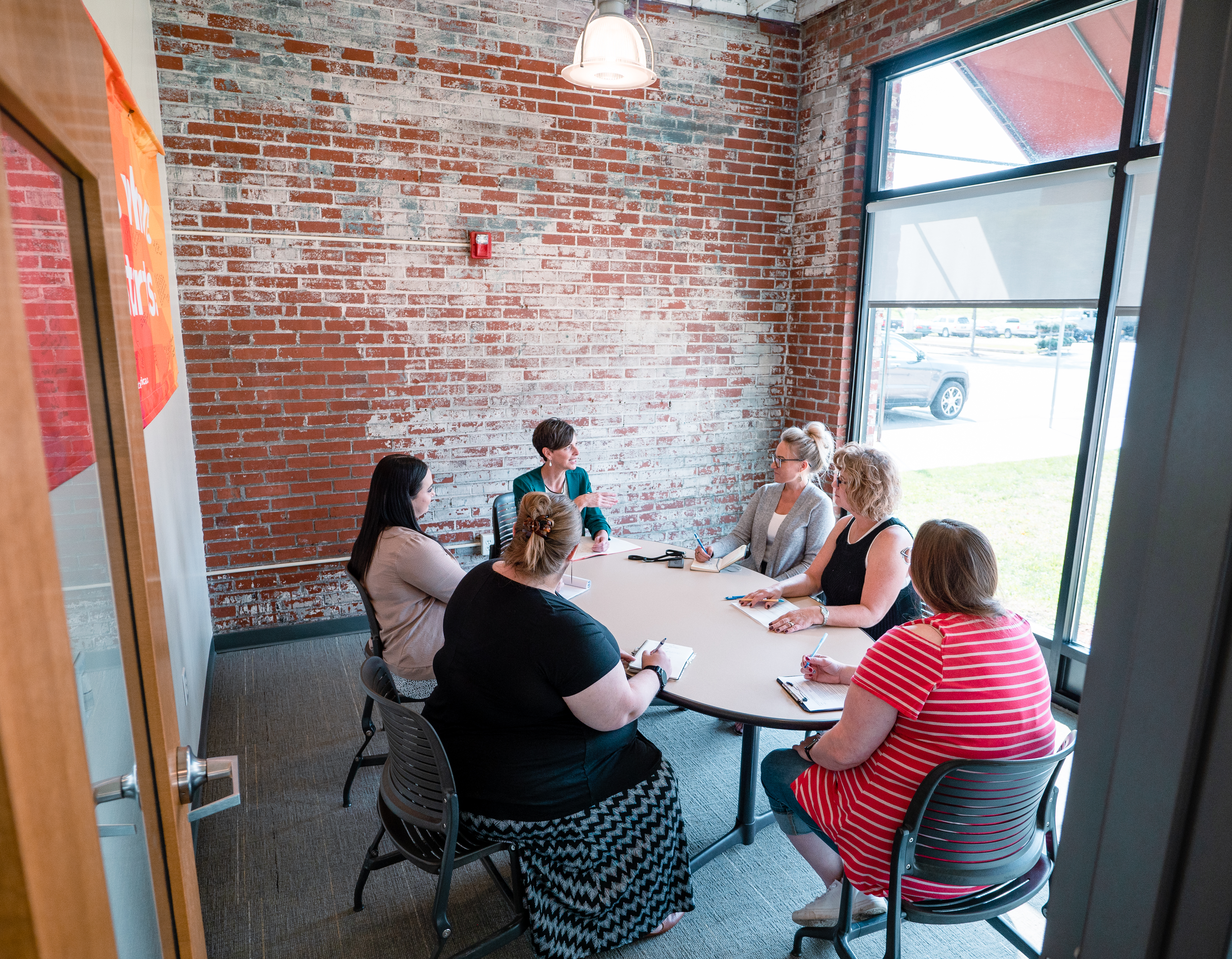
“We’ve been there before,” said Susan Bull, president and CEO of Arbor Housing and Development. Three years ago, a summer storm hit Steuben County, a part of Arbor’s wide footprint that includes 18 offices in New York and Pennsylvania.
The storm wiped out roads and destroyed cars, homes and human life. Schools in the southwest portion of the county were never repaired. “Devastation was so quick and fast and furious in communities that were already at or below poverty level,” Bull recalled.
Arbor helped the community through the emergency, partnering with organizations like Institute of Human Services and United Way. But Arbor also had a realization: More disasters would come, and they needed to prepare to meet them. “We had to take care of our in-house plans first, before we could be a pillar of leadership for the community,” Bull said.
Arbor Housing and Development was one of seven NeighborWorks network organizations to receive technical assistance through the Rural Community Development Initiative project, with a matching grant from NeighborWorks. NeighborWorks’ Rural Initiatives division managed the project, and released a report on their findings.
“Arbor is now in a stronger position to lead (not just respond) when disaster hits,” says Elena Kaye-Schiess, senior manager of Rural Initiatives at NeighborWorks America. “Through the RCDI program, they built the internal readiness needed to support their staff and continue serving rural communities when it matters most.”
Kaye-Schiess said the work serves as a powerful example of how the NeighborWorks Rural Initiative supports local organizations to build internal capacity to prepare for the unexpected. “With technical assistance and tailored support, Arbor created a plan rooted in the realities of rural disaster response, making them more resilient and ready to lead their community through future crises.”
As disasters grow in frequency and force, “we see it's now a question of when and not if our communities and organizations will be impacted,” said Cormac Molloy, director of Sustainability & Resilience at NeighborWorks America. “Even areas not traditionally considered high-risk zones are facing increasing disaster events as the median age of housing and commercial stock inches up. It's important that community development organizations have a plan to continue operations so they can keep their people safe while continuing to be leaders in their communities' preparedness and recovery."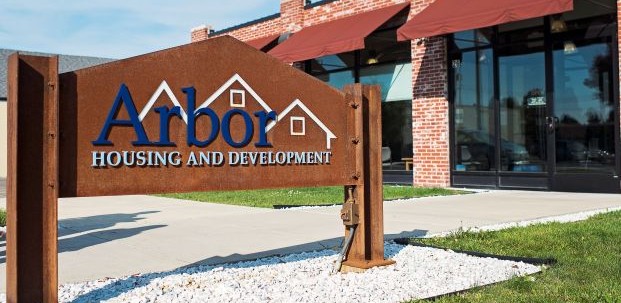
Even as Arbor pulled together the work and analysis for their own disaster plan, the storms continued, providing even more data. There was a time, Bull said, when rural New York was better able to recover from the storms that hit. “But they’ve started to increase in magnitude,” she said. And recovery is a long process.
Perhaps the biggest challenge the organization uncovered – and the scariest – was that in a disaster, “No one is coming for you. The consultant had us say that again and again.” In a way, Bull said, the scariest thing was also the most empowering. It made her realize that they had to be ready with their own plan. They had already learned that lesson from Tropical Storm Fred three years ago, when FEMA told the small community that their disaster was not large enough to bring in national help.
“‘How do we survive on our own?’ was a scary conversation to have,” Bull said. “As human service providers, we’re always frantic about other people. We’re not always thinking, ‘What if we had to look out for ourselves?’”
But they’d have to do that if they were going to be ready to help the community the best way they could.
The disaster plan Arbor worked on took two paths: One for the organization’s main office, and one for one of the smaller, more rural locations. That way, it would be easier for the other offices to replicate the plan. Bull expected to see the individualized plans by the end of July.
Along with some of the broader directions on what to do and who to call, her office includes a “go bag,” something disaster experts encourage for regular households and individuals, too. Arbor has a bag for if they have to evacuate the building, and another if they had to shelter in place. First aid kits. Radios. Protein bars. Water.
“The biggest thing we didn’t know is how much we’d been depending on outside resources to bring relief to us. That’s not how emergencies work. In emergencies, we have to pull on what we know, our own strength, our own readiness.”
Part of being strategic in a disaster response is knowing what you can own, Bull said. “We know the parts for which we can be best repaired and it’s a great reminder that we’re showing up with what we have, that we can do the best we can to serve people. It’s been a great reminder that we can be part of the solution.”