


In urban Minneapolis, Minnesota, a NeighborWorks network organization has started a new loan product to help families and individuals finance new manufactured homes. In Providence, Rhode Island, another network organization is focused on modular homes as an affordable housing solution.
In other locations across the country, developers are just starting to learn how off-site built homes might work as an attainable housing solution in their communities, especially as the price of land, material and construction excludes more people from the dream of homeownership.
That’s why, for the past three years, NeighborWorks® America has sent a cohort of network organizations to Knoxville, Tennessee, to learn about modern manufactured housing from the inside out, with Clayton serving as tour guide. It’s part of a national partnership with Clayton that began in 2021. 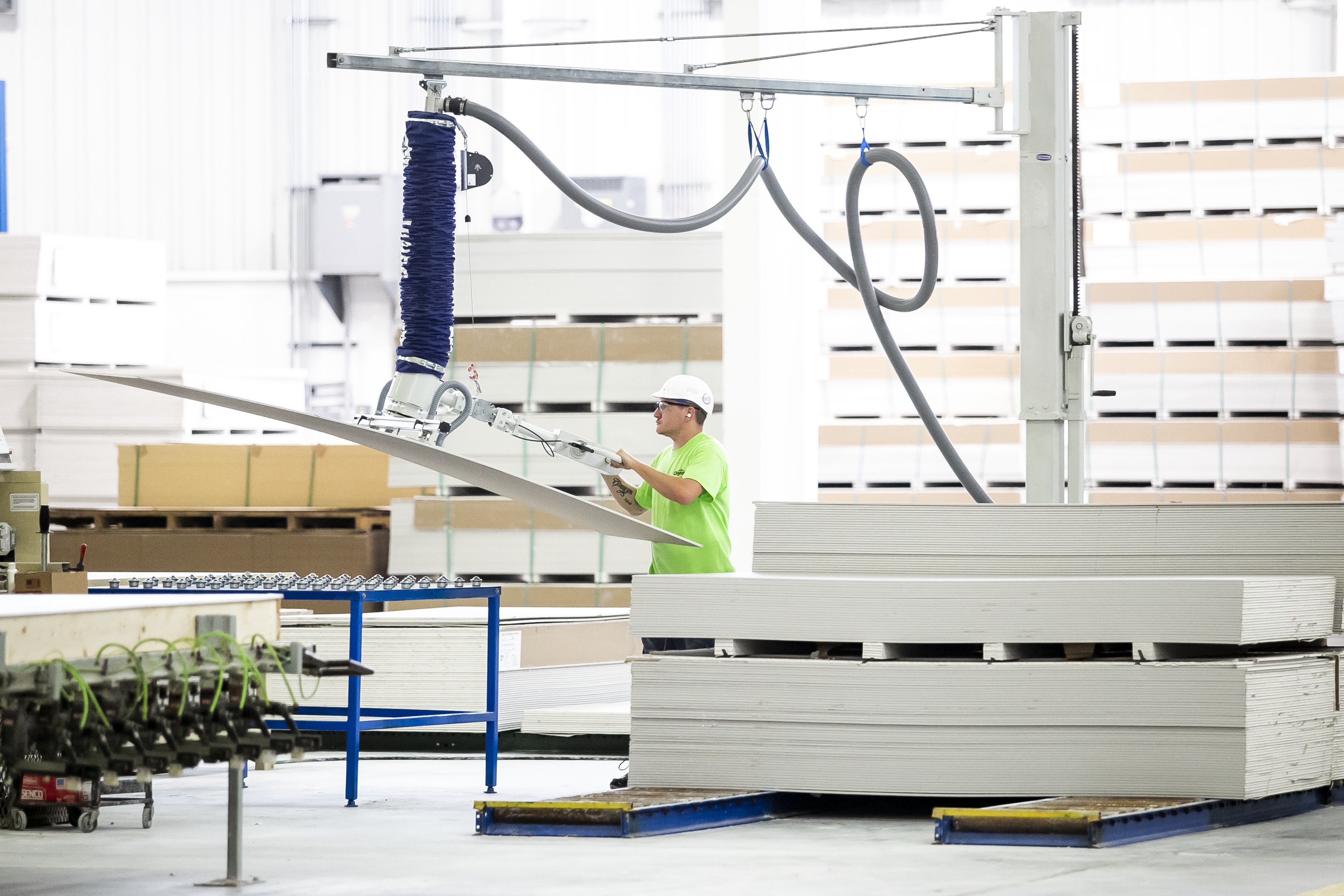
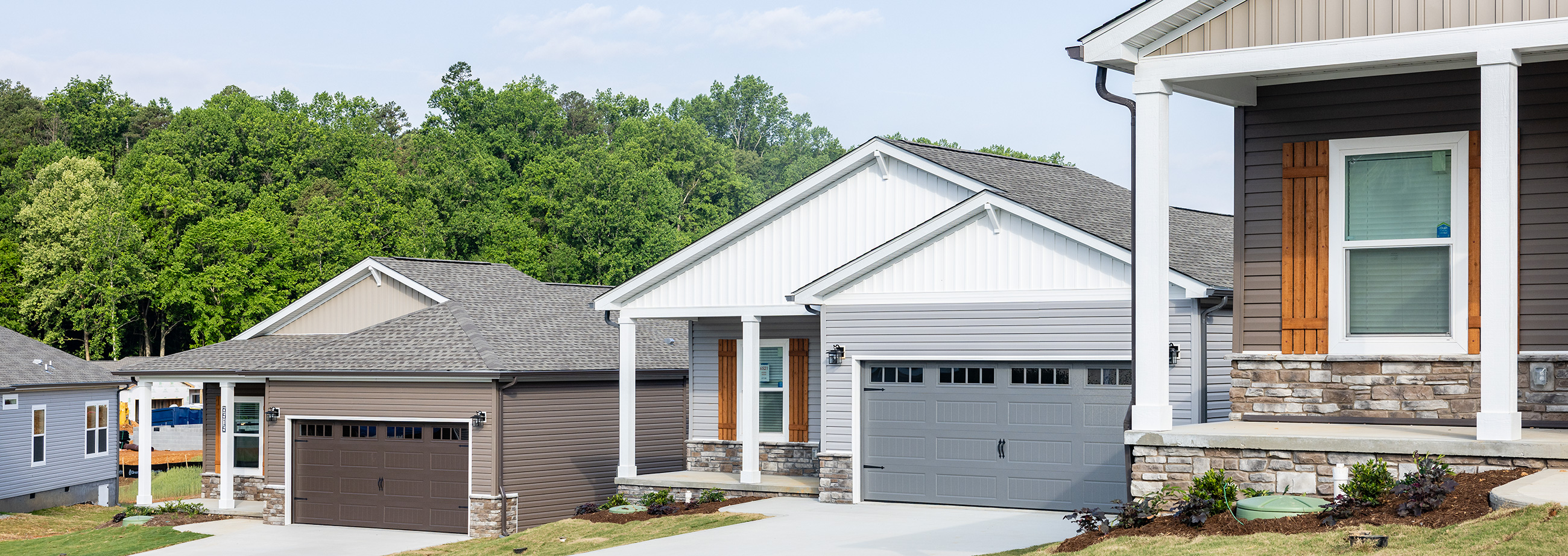
“Every community approaches attainable housing a little differently – and that’s okay,” said Ramsey Cohen, Clayton's leader of National Sales. “Our goal is to help developers and housing leaders understand today’s modern manufactured housing and how it could work as an attainable housing solution in their communities.” That means understanding some of the history, from “mobile homes” of the 1960s, to the establishment of the federal the HUD code for home building facilities in the 1970s, to the modern manufactured homes of today that provide quality, energy efficiency and appreciation. A new distinct category of off-site construction – the CrossMod® home – includes a covered porch and attached garage. The homes are designed to blend seamlessly into urban, suburban or rural settings.
Despite changes in the industry (and there have been many) old stigmas cling to off-site built housing. To Clayton, one of the best ways to fight stigmas is by letting people see the homes for themselves.
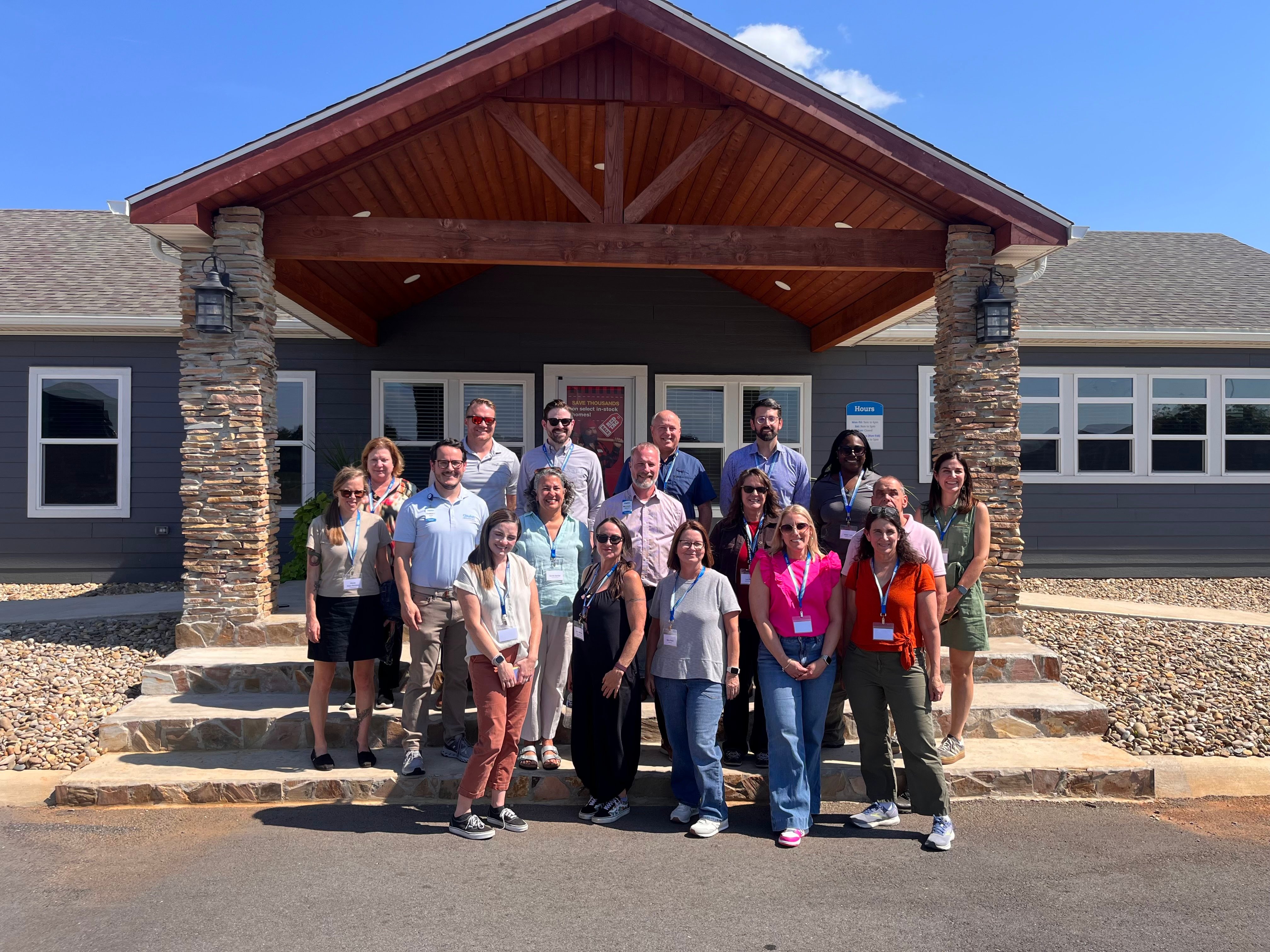
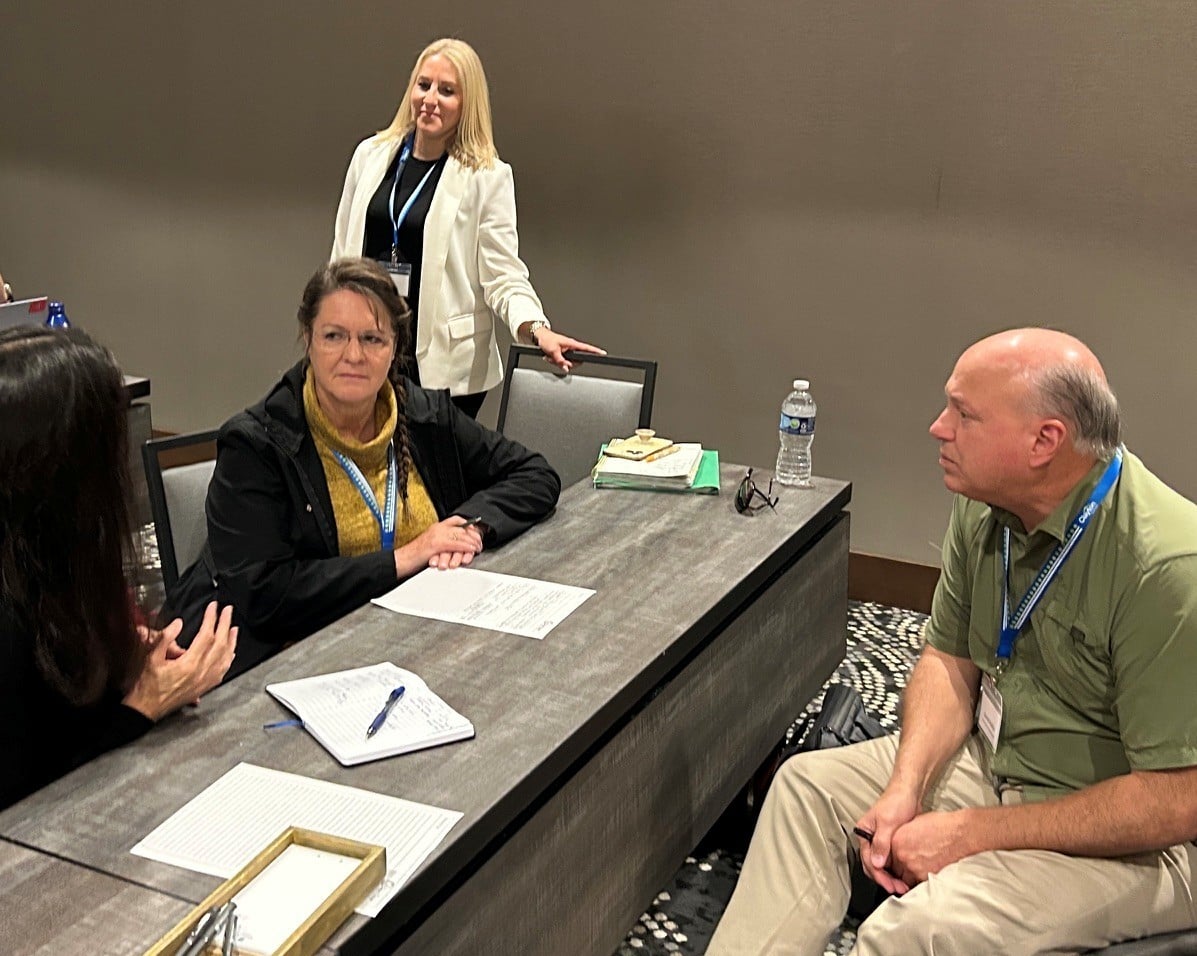
On this year’s fall tour, representatives from five NeighborWorks network organizations from South Dakota to Kentucky gathered in Tennessee for a hands-on look at modern manufactured housing. They also toured a 180,000 square-foot home building facility where 35 homes are built indoors each week. This prevents weather – like rainstorms or the massive January snowstorm – from slowing production.
Clayton has 41 home-building facilities across the country, and 400 home centers. While a point of the tour might be to highlight Clayton, the main goal is to expose developers to today’s off-site built housing.
On the ground in Knoxville
Some of those gathered in Knoxville had used manufactured housing before as an attainable housing solution. Others had considered modular housing. But for some participants, it was all brand new.
Clayton explains off-site built housing options like this:
- Modern manufactured homes are built inside home building facilities to federal HUD code standards, then delivered by truck to their final home site.
- Modular homes are also built inside facilities. But, they adhere to state and local codes, not the HUD code, like traditional site-built homes.
- CrossMod® homes are built 70% off site (in facilities), and 30% on site, blending off-site and site-built construction methods and delivering single-family homes that look, perform, appraise, appreciate and finance like traditional site-built houses.
According to Next Step, the HUD Code sets federal standards for the design, construction, strength, energy efficiency, fire safety, and performance of off-site built homes and ensures “quality and safety across the board.”
Builders and developers who are already using manufactured housing in their neighborhoods spotlight the energy efficiency of manufactured homes, important in lowering total homeownership costs. But for markets facing an affordable housing shortage, there's another benefit: Speed.
Sarah Kackar, senior director of Rural Initiatives at NeighborWorks, explained: “This type of housing can be on-site and installed in a third of the time of traditional site-built housing, which means that the organization can get to renting and selling faster.”
Cohen says Clayton has seen entire 18-home subdivisions go up in 11 months.
At the home building facility
This fall, the NeighborWorks tour bus pulled up outside a Clayton facility in Knoxville. Staff from NeighborWorks and the network organizations stepped off the bus and into hard hats and headphones to both block out the sound of moving machinery and the pop-pop-pop of the air guns.
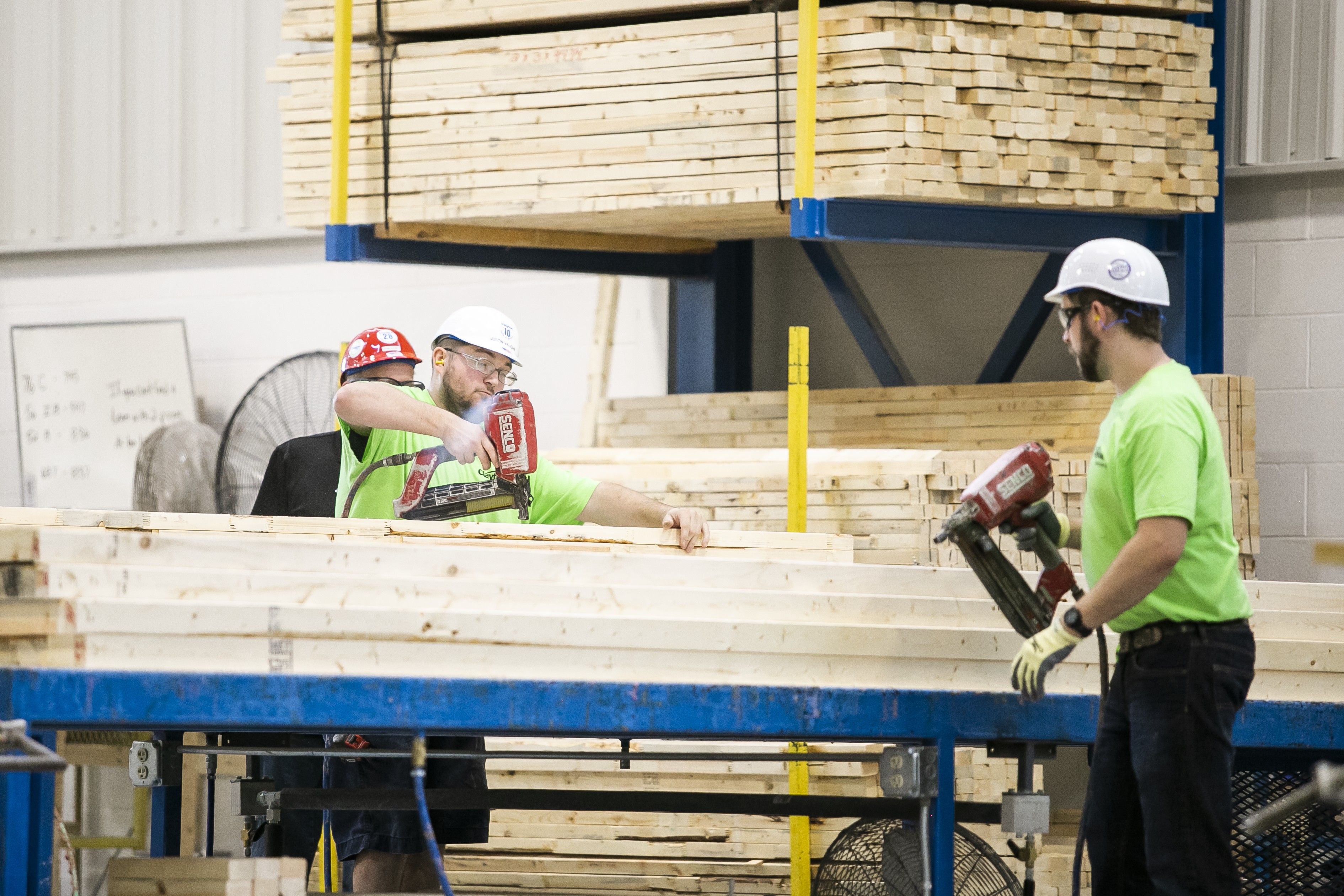
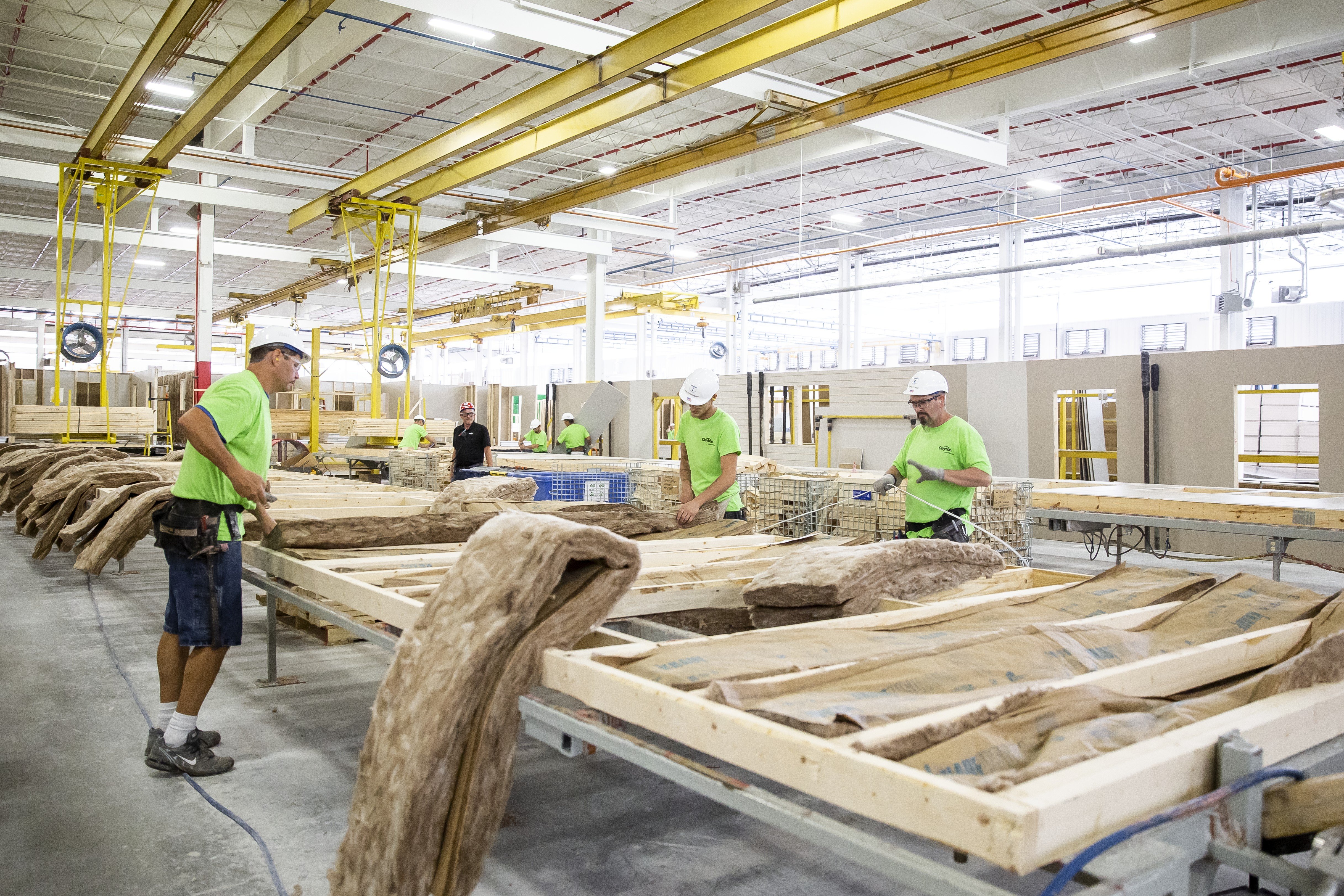
Inside, cross sections of homes moved from one station to the next on wheeled platforms allowing workers to do their jobs from multiple angles. From a catwalk, they worked on roofing; on the ground, they worked on wiring, plumbing and insulation. Nearby stacks of lumber stood tall, ready to become a home. As part of their commitment to the environment, Susan Brown, the director of Philanthropy, said Clayton partners with the Arbor Day Foundation to plant a tree for each tree used in home construction. Since 2022, the company has planted more than 5.5 million trees.
As the tour continued, the group got a look at the interiors of the homes, revealing bedrooms, kitchens and bathrooms with the toilet and tub already installed.
Overhead, a machine lowered a fully insulated wall. Everything seen at the facility will all come together at the final home site, when installed on a concrete pad or pillar foundation.
“The opportunity for our organizations to see the facilities where these homes are built and to then see them installed in neighborhoods is immeasurable,” Kackar said. “There are still so many myths, misperceptions, and misunderstandings about the quality of manufactured housing – and any factory-built housing – as well as what it actually looks like installed in the wild.”
Construction managers who have taken the tour have said the visuals let them really begin to see manufactured housing as an alternative to traditional, site-built housing. “Sometimes, the pricing is less, and always the speed is faster,” Kackar explained. “In the end, after seeing a high-quality product, they often consider some type of factory-built solution more than they would have previously.”
A different off-site solution in Providence
Michelle Bleau of One Neighborhood Builders went on the Knoxville tour two years ago. “We went in very curious to see if it could be a solution for us,” she said. “We’d had a very positive experience using modular with a local contractor.” For that project, the panels used in the construction came from Pennsylvania to build eight rental homes for people making 60% to 80% of the Area Median Income. ONB was able to incorporate solar into the homes, which meant savings for the new residents when it came to energy costs.
When she left Knoxville, Bleau had a much deeper understanding of the different types of factory-built housing. Modular was her choice for the organization’s current development of 20 for-sale town homes, and the likely choice for a future multi-family development.
But she remains curious about manufactured housing, especially in new facilities that are opening in her region. The trip to Knoxville was a positive experience, she said. “I went into the tour not fully understanding the differences between manufactured and modular. And I found the differences in costs fascinating – what it costs to build in different markets, even when you’re using the same materials.”
Zoning can be an obstacle for manufactured housing in her region, she said. “In New England we have a lot of old cities and towns and some haven’t updated ordinances in many years; their code requirements don’t allow for manufactured housing to be built.”
Local zoning requirements can make it more challenging to bring manufactured homes to certain markets. This is something Clayton is tracking nationwide. And the organization is seeing progress. “We are starting to see an evolution with zoning conversations allowing manufactured housing to become part of the solution,” Cohen said recently during a podcast with NeighborWorks’ President & CEO Marietta Rodriguez. “I think the fact that we've got these kinds of opportunities in front of us is huge.”
Kackar said manufactured housing can fit in a well-rounded zoning code. Maryland recently enacted legislation prohibiting discrimination against manufactured housing as a housing type, she pointed out. Several other states have followed suit.
Changing minds
NeighborWorks began looking at manufactured housing and its role in housing affordability in rural areas more than two decades ago, Kackar said. NeighborWorks and partners supported network organizations with resources and technical assistance over the decades, leaning in to finding affordable, quality solutions across the country. Clayton and NeighborWorks began partnering in 2021, starting with focused network conversations to understand how nonprofit developers think about manufactured housing. The work expanded to developing resources. The next year followed with on-site tours and national training courses, like NR305: Understanding Upzoning: Changing Rules, Changing Communities that help learners understand inclusive zoning practices that are key to facilitating manufactured housing opportunities. NeighborWorks has also recently begun expanding its support of off-site built housing resources through peer connections and national discussions as more groups are also considering modular solutions.
NeighborWorks Home Partners, a NeighborWorks network organization in Minnesota, recently began Prime Path loans, which offers first financing for permanently affixed manufactured homes. NeighborWorks Home Partners’ Director of Advancement Erin Moran said the organization closed on its second home using this loan on Dec. 29.
Clayton says that this is the time to create a new category of housing the same way the condominium became its own category. To illustrate this, the company took the new single-section CrossMod home to the National Mall in Washington, D.C. last summer as part of the Innovative Housing Showcase. That home is available for around $250,000 in most markets, including land.
With the median new home price near $460,000, roughly 75% of U.S. households are priced out of homeownership, said Cohen. “Single-section CrossMod homes offer a new path to owning a home and meeting the nation’s affordability challenge.”
On this year’s tour of a CrossMod neighborhood, even the bus driver checked out the model homes, and climbed back aboard the bus with a business card in hand. NeighborWorks network organizations left armed with folders full of information.
Alicia Stuart from Piedmont Housing Alliance said she was on the tour to get a better understanding of this type of housing and see its potential to work as part of a community land trust.
Jami Edwards, who works in Real Estate Development with Housing Resources of Western Colorado, had long been looking forward to the tour. “I’ve always been fascinated with how they build houses inside,” she said.
On the tour of the homes, she found that many structures were as she’d pictured them – until she got to the CrossMod®. “It looked like a regular house,” she said. She left the visit interested in learning more.
And Susan Hammond of Fahe made the trip to determine whether this type of housing might work for some of the tribal groups she consults with. She walked through each model home, lower-cost to higher cost, examining every room. “I can picture families here,” she said.
Interested in learning more? Listen to The Community Effect podcast with NeighborWorks' Marietta Rodriguez and Clayton's Ramsey Cohen.