


 Print page
 When the new residents came to Manchester, New Hampshire – from Nepal, from Somalia, from Sudan, from Bhutan – they wanted to farm, growing food that would allow them to be self-sufficient in their new home. Some of them lived in apartments, with no gardening space. The Organization for Refugee and Immigrant Success (ORIS) found them that space. And since 2011, farmers have grown and sold crops through Fresh Start Farms.
During world wars, they were called "victory gardens," planted by families to help keep food on the table – and prevent food shortages. With grocery store shelves empty and families told to shelter in place during the COVID-19 pandemic, many people are returning to gardening and to the name.
At their core, nonprofits are set up to help people. But in times like this, the need for help can be overwhelming. Here’s how two NeighborWorks organizations are working to meet the needs of their communities and the needs of their staffs.
David Snyder was sitting at his desk at New Directions Housing Corporation in Louisville, Kentucky, when a series of texts from New Directions staff flashed across his phone. As he read through, the chief development officer discovered that a COVID-19 testing site had just been set up across the street from the housing corporation.
NeighborWorks organizations have spent the past few weeks drafting new policies and communications in the wake of the COVID-19 virus and figuring out ways to share them quickly with their staff, their community, other agencies and one another.
As COVID-19 continues to spread, NeighborWorks network organizations continue to connect with community members and to take measures to try to ensure their safety. Here's a look at what organizations are doing in Vermont and Missouri.
As they check to make sure their residents are safe, NeighborWorks network organizations are finding other, concrete ways to deal with issues that accompany social distancing and economic well-being in the wake of the COVID-19 virus. In Maine, Avesta Housing is looking at ways to keep senior citizens connected, while in New York, Asian Americans for Equality Inc. (AAFE), is moving quickly to help businesses harmed by racism and xenophobia.
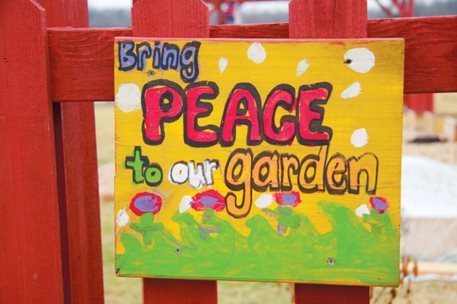 Communal gardens have become a fixture of neighborhood revitalization and community-building programs. Whether it be individual plots in one garden or one big lot that residents cultivate together, there is a growing escalation of a phenomenon with deep roots in American history, culture—and psyche.

Get the latest in housing and community development trends and news.

Visit the NeighborWorks' store for homeownership resources.
Connect With Us



1255 Union St. NE, Suite 500
Washington, DC 20002
202-760-4000